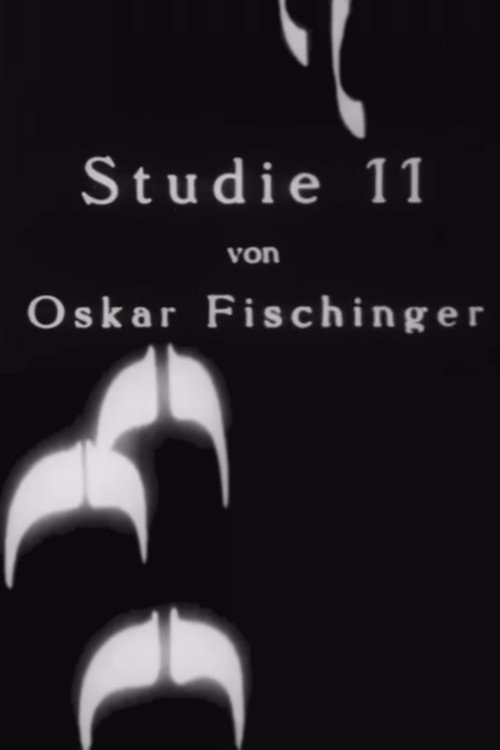
Study No. 11 1932
Dive into Oskar Fischinger's *Study No. 11 (1932)*, a mesmerizing four-minute abstract animation that transforms Mozart's *Eine Kleine Nachtmusik* into a visual symphony.
Director: Oskar Fischinger
Frequently Asked Questions
What is Study No. 11 (1932) about?
*Study No. 11* is an abstract animation set to Mozart's *Eine Kleine Nachtmusik*, transforming sound into a visual feast of moving shapes and patterns. The film doesn't follow a traditional narrative but instead creates a rhythmic, almost hypnotic interplay between music and motion.
Who directed Study No. 11?
Study No. 11 was directed by Oskar Fischinger, the German-American pioneer of abstract animation whose work bridges the gap between art and technology.
Who stars in Study No. 11?
Study No. 11 is an animated film with no traditional cast; its stars are the geometric shapes, colors, and musical synergy crafted by Oskar Fischinger.
Is Study No. 11 (1932) worth watching?
While its brevity and abstract nature may not appeal to everyone, *Study No. 11* is a fascinating glimpse into the origins of experimental animation. Fans of Fischinger's work or early 20th-century avant-garde cinema will appreciate its historical and artistic significance.
How long is Study No. 11?
Study No. 11 runs for 4 minutes.
About Study No. 11 (1932) — Oskar Fischinger's Abstract Masterpiece to Mozart's Classic
Dive into Oskar Fischinger's *Study No. 11 (1932)*, a mesmerizing four-minute abstract animation that transforms Mozart's *Eine Kleine Nachtmusik* into a visual symphony. This avant-garde short film blends geometric shapes, rhythmic motion, and stark contrasts into a hypnotic dance of light and sound. Fischinger's pioneering techniques create an immersive experience, where swirling patterns and precise timing mirror the elegance of Mozart's composition. The result is a fleeting yet unforgettable exploration of synesthesia, where music and visual art merge into a single, transcendent moment.
Often celebrated as a cornerstone of experimental animation, *Study No. 11* stands out for its minimalist beauty and technical innovation. The film's abstract nature invites viewers to interpret its meaning, whether as a playful abstraction or a deeper meditation on rhythm and form. Though brief, its impact lingers—an artistic trifle that feels monumental in its ambition.