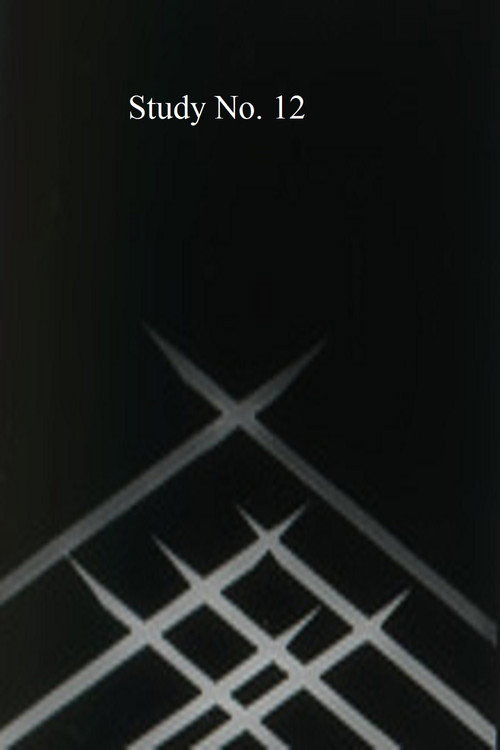
Study No. 12 1932
Dive into the mesmerizing world of Oskar Fischinger's *Study No. 12 (1932)*, a groundbreaking 4-minute animated short that blends artistry with rhythm.
Director: Oskar Fischinger
Frequently Asked Questions
What is Study No. 12 (1932) about?
*Study No. 12* is an abstract animated short that transforms geometric shapes and vibrant visuals into a rhythmic dance set to Anton Rubinstein's "Dance of Torches." The film plays with light, motion, and music to create a hypnotic, almost meditative experience.
Who directed Study No. 12?
The film was directed by Oskar Fischinger, a pioneer in abstract animation whose work bridged the gap between visual art and cinema.
Who stars in Study No. 12?
Cast information is not available for this experimental short.
Is Study No. 12 (1932) worth watching?
As an early example of abstract animation, *Study No. 12* is a fascinating watch for film history enthusiasts and those curious about the evolution of visual storytelling. Its brevity and experimental nature make it a unique entry in the genre.
How long is Study No. 12?
The film runs for approximately 4 minutes.
About Study No. 12 (1932) — A 4-Minute Animation Classic by Oskar Fischinger
Dive into the mesmerizing world of Oskar Fischinger's *Study No. 12 (1932)*, a groundbreaking 4-minute animated short that blends artistry with rhythm. Set to Anton Rubinstein's evocative "Dance of Torches," this experimental film transforms abstract shapes and vibrant visuals into a hypnotic dance of light and motion. Fischinger's pioneering techniques in abstract animation create an immersive atmosphere that feels both avant-garde and timeless, inviting viewers into a dreamlike exploration of form and music. While simple in runtime, *Study No. 12* packs a punch as a foundational piece of early animation, showcasing the director's visionary approach to merging sound and image.
This tiny but mighty short film stands as a testament to the power of minimalism and precision in cinema. Its fleeting runtime belies a depth that lingers long after the final torch-like shapes flicker out, leaving audiences with a sense of wonder and curiosity about the intersection of music and visual art. Whether you're a fan of classic animation or a lover of experimental films, *Study No. 12 (1932)* offers a unique glimpse into the dawn of a cinematic revolution.