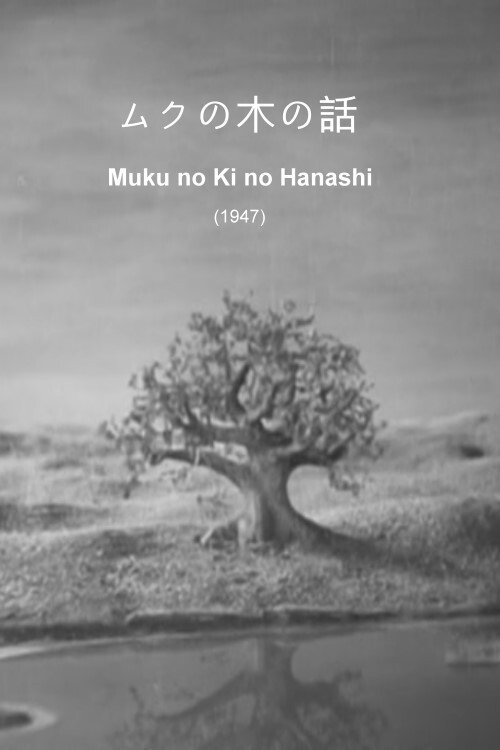
Muku no Ki no Hanashi 1947
Step back into 1947 with Muku no Ki no Hanashi (1947), one of Japan's early animated shorts that showcases the delicate artistry of Shoji Maruyama's direction.
Director: Shoji Maruyama
Frequently Asked Questions
What is Muku no Ki no Hanashi (1947) about?
This short animated film from 1947 weaves a quiet, contemplative tale centered on rural folklore and the everyday wonders hidden in nature. Through gentle visuals, it invites audiences to pause and appreciate the subtle beauty of traditional Japanese storytelling.
Who directed Muku no Ki no Hanashi?
Muku no Ki no Hanashi was directed by Shoji Maruyama, a pioneer in early Japanese animation whose work helped shape the medium during its formative years.
Who stars in Muku no Ki no Hanashi?
Cast details for Muku no Ki no Hanashi are not publicly available, reflecting the limited documentation of short animated films from this period.
Is Muku no Ki no Hanashi (1947) worth watching?
As an early example of Japanese animation, Muku no Ki no Hanashi offers a rare glimpse into the artistry and storytelling of its time. While it lacks the polish of modern productions, its historical significance and serene charm make it a rewarding watch for animation enthusiasts and film historians.
How long is Muku no Ki no Hanashi?
Muku no Ki no Hanashi has a runtime of 20 minutes.
About Muku no Ki no Hanashi (1947) — Exploring Early Japanese Animation Magic
Step back into 1947 with Muku no Ki no Hanashi (1947), one of Japan's early animated shorts that showcases the delicate artistry of Shoji Maruyama's direction. This 20-minute gem blends folklore with gentle animation techniques, painting a dreamlike picture of rural life and the quiet magic found in everyday objects. The film's serene atmosphere lingers long after the credits roll, inviting viewers to reflect on simplicity and tradition through expressive visuals that feel both nostalgic and timeless.
While details about the cast remain elusive, Muku no Ki no Hanashi stands out for its pioneering spirit in animation during a transformative era. Its understated storytelling and artistic craftsmanship make it a fascinating watch for fans of classic cinema and animation history. Though modest in length, the short carries a poetic weight, offering a glimpse into Japan's rich cinematic heritage and the enduring appeal of stories that resonate across generations.