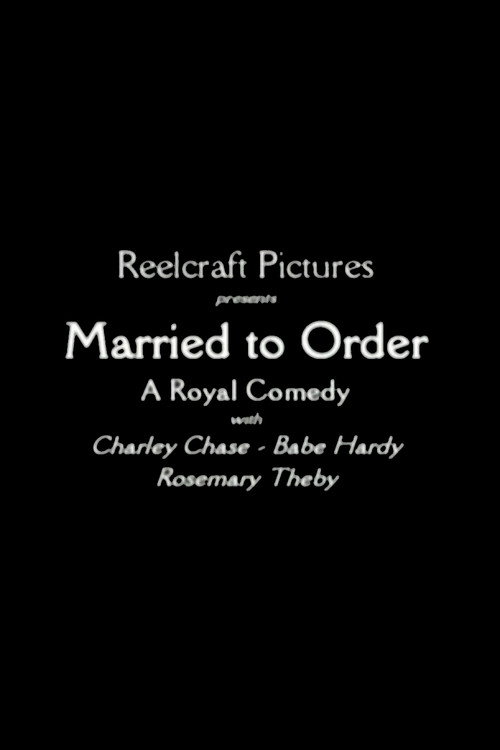
Married to Order 1920
In Charley Chase's 1920 silent comedy short *Married to Order*, a classic love-struck dilemma unfolds with hilarious misunderstandings and mistaken identities.
Director: Charley Chase
Cast
Frequently Asked Questions
What is Married to Order (1920) about?
A determined young man faces resistance from his sweetheart's father while trying to elope with her. When she disguises herself as her brother to escape, her near-sighted father mistakes her for someone else entirely, sparking a chain of comedic misunderstandings.
Who directed Married to Order?
The film was directed by Charley Chase, a pioneer of silent-era comedy known for his impeccable timing and inventive gags.
Who stars in Married to Order?
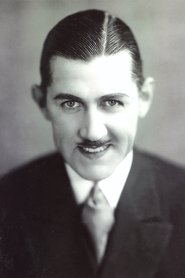
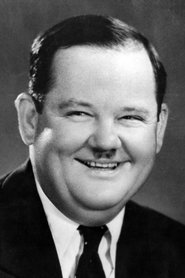
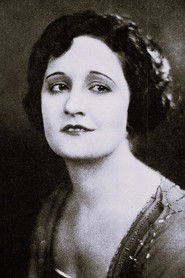
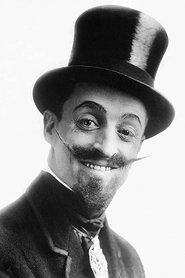
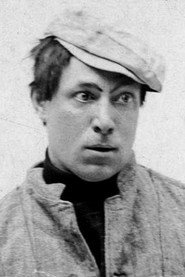
The film features Charley Chase, Oliver Hardy, Rosemary Theby, Leo White, and Bud Ross in key roles.
Is Married to Order (1920) worth watching?
As a 16-minute silent comedy, it's a charming snapshot of early film humor with Chase's signature wit on full display. While it doesn't have a rating, its playful energy and inventive gags make it a fun watch for fans of classic cinema.
How long is Married to Order?
Married to Order runs for 16 minutes.
About Married to Order (1920) — Classic Silent Comedy with Charley Chase & Oliver Hardy
In Charley Chase's 1920 silent comedy short *Married to Order*, a classic love-struck dilemma unfolds with hilarious misunderstandings and mistaken identities. The story kicks off when a determined suitor tries to win over his sweetheart, only to face fierce opposition from her overprotective father. Desperate to escape, the girl conceives a clever plan—she disguises herself as her own brother to sneak away for an elopement. But when her near-sighted father mistakes her for her sibling's twin, the stage is set for escalating chaos and uproarious confusion.
The film thrives on the timeless comedic appeal of misdirection and role reversals, all wrapped in the playful energy of early cinema. With Charley Chase at the helm, the short delivers sharp timing, physical humor, and a lighthearted charm that defines the era's silent comedies. Themes of romance, rebellion, and mistaken identity drive the narrative forward, creating a whirlwind of gags and awkward encounters that keep the audience laughing throughout the 16-minute runtime.