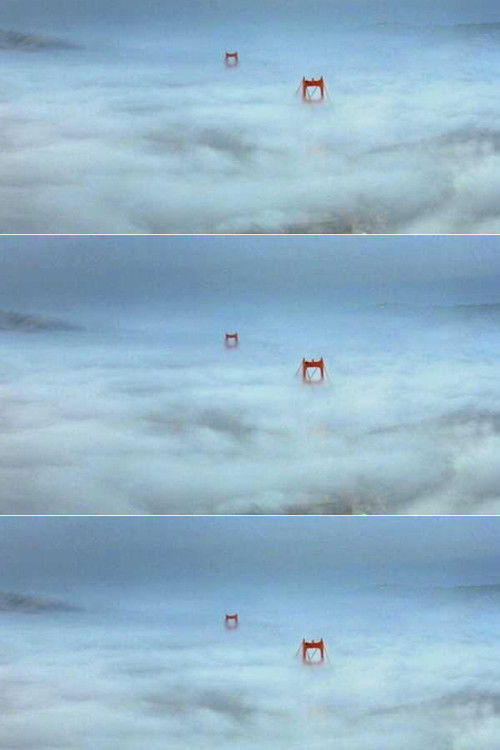
Bridge 2012
Dive into the hypnotic visual symphony of *Bridge (2012)*, a microcinematic masterpiece that transforms the iconic Golden Gate Bridge into a canvas of motion and rhythm.
Director: People Like Us
Frequently Asked Questions
What is Bridge (2012) about?
*Bridge* is a visual poem that condenses the Golden Gate Bridge's iconic presence into a fleeting, meditative experience. The film distills the structure and its surroundings into a rhythmic montage, focusing on the interplay between human engineering and the natural world. It's less a story and more an atmospheric snapshot of a landmark in motion.
Who directed Bridge?
Director information is not available.
Who stars in Bridge?
The film features no traditional cast, as it's a visual composition by the collective People Like Us.
Is Bridge (2012) worth watching?
As a 3-minute experimental short, *Bridge* isn't a conventional pick, but it's a captivating study for fans of minimalist cinema or urban photography. Its brevity and visual focus make it ideal for a quick, thought-provoking break rather than a full viewing experience.
How long is Bridge?
Runtime details are not listed.
About Bridge (2012) — A 3-Minute Cinematic Ode to the Golden Gate Bridge
Dive into the hypnotic visual symphony of *Bridge (2012)*, a microcinematic masterpiece that transforms the iconic Golden Gate Bridge into a canvas of motion and rhythm. Directed by the experimental collective People Like Us, this 3-minute supercut captures the bridge's towering grandeur juxtaposed with the restless dance of water below, creating a mesmerizing study in contrasts. The film strips away narrative, leaving only pure imagery—steel against sea, stillness and flow—to evoke themes of isolation, impermanence, and the sublime beauty of urban landscapes. Shot with an almost painterly precision, it invites viewers to lose themselves in the interplay of light and shadow, movement and stasis.
Though brief, *Bridge* lingers like a haunting postcard from the edge of reality, blending geography with poetry. The absence of dialogue or characters sharpens the focus on the bridge itself, a silent witness to the passage of time and tide. With its minimalist approach, the film challenges conventional filmmaking, proving that even the most familiar landmarks can reveal new dimensions when viewed through a creative lens.