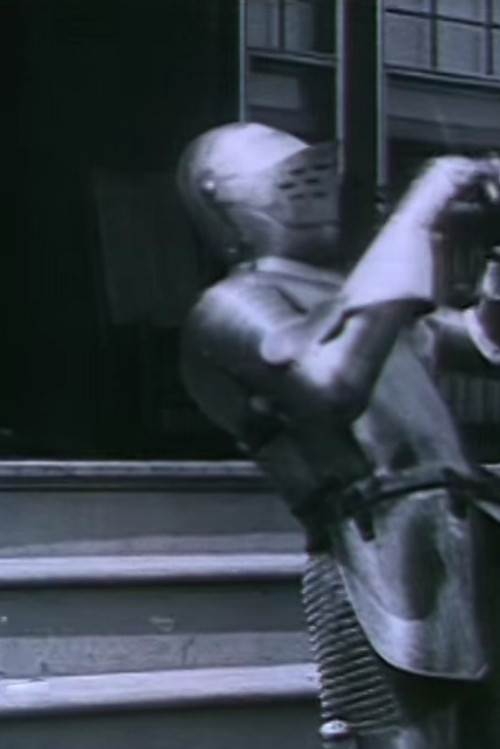
Jerry's Mother-in-Law 1913
Step back to the golden age of silent cinema with *Jerry's Mother-in-Law (1913)*, a brisk 16-minute comedy directed by James Young.
Director: James Young
Cast



Frequently Asked Questions
What is Jerry's Mother-in-Law (1913) about?
In this silent-era comedy, Jerry resorts to hypnosis to rid himself of his overbearing mother-in-law, leading to a series of chaotic and humorous situations. The short film thrives on the absurdity of early comedy tropes while delivering a lighthearted critique of family dynamics.
Who directed Jerry's Mother-in-Law?
James Young directed this 1913 silent comedy, bringing a touch of early cinematic flair to the project.
Who stars in Jerry's Mother-in-Law?
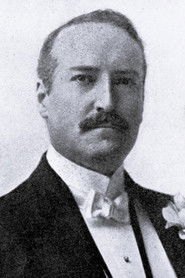
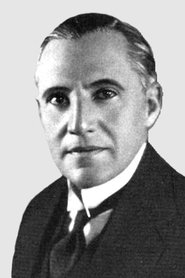
The film features Sidney Drew as Jerry, with Clara Kimball Young and Kate Price among the cast, along with L. Rogers Lytton and James Young.
Is Jerry's Mother-in-Law (1913) worth watching?
While modern audiences may find its runtime brief and humor simplistic, *Jerry's Mother-in-Law* offers a charming glimpse into early silent comedy. Its historical value and playful tone make it a fun watch for fans of classic film or those curious about the evolution of comedy.
How long is Jerry's Mother-in-Law?
The film runs for 16 minutes, a typical length for silent-era shorts.
About Jerry's Mother-in-Law (1913) — A Silent Comedy Classic That Poked Fun at Family Drama
Step back to the golden age of silent cinema with *Jerry's Mother-in-Law (1913)*, a brisk 16-minute comedy directed by James Young. This early slapstick gem pits Jerry against his overbearing mother-in-law, a dynamic that spirals into chaos when he turns to hypnosis to solve his domestic dilemma. The film's playful tone and clever premise make it a standout from the era's comedies, blending lighthearted mischief with the absurdity of early filmmaking. Sidney Drew headlines as Jerry, while Clara Kimball Young and Kate Price add star power in roles that heighten the comedic stakes.
Set against the backdrop of 1913's burgeoning film culture, *Jerry's Mother-in-Law* captures the charm and simplicity of silent-era storytelling. The short's focus on domestic strife and unconventional solutions feels both timeless and distinctly vintage, offering a snapshot of early 20th-century humor. With its blend of farce and innovation, this silent short remains a fascinating watch for fans of classic comedy and film history alike.