Řád 1994
Petr Hvižď's drama Řád (1994) transports viewers to 1776, where the tranquil walls of the Convent of St. Claire conceal a moral earthquake.
Director: Petr Hvižď
Cast






Frequently Asked Questions
What is Řád (1994) about?
Set in 1776, the film follows an army deserter who seeks refuge in a convent, sparking an investigation that challenges the nuns' moral foundations. As secrets surface, the story becomes a meditation on justice, mercy, and the weight of social codes versus human dignity.
Who directed Řád?
Petr Hvižď directed Řád in 1994, crafting a historical drama that lingers on moral dilemmas rather than action.
Who stars in Řád?
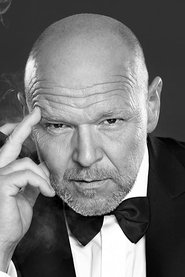
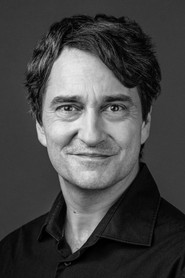
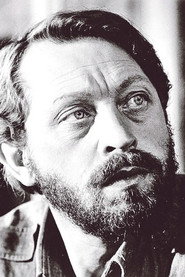
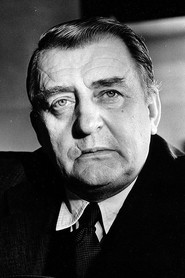
The film features Marek Vašut, Andrea Elsnerová, Jana Preissová, Jan Tříska, and Saša Rašilov among its standout cast.
Is Řád (1994) worth watching?
Though unrated on IMDb, Řád offers a compelling blend of historical drama and moral depth, rewarding viewers drawn to quiet, thought-provoking cinema. Its focus on social hierarchies and ethical tension makes it a niche gem for period film enthusiasts.
How long is Řád?
The runtime of Řád is 94 minutes.
About Řád (1994) — A 18th-Century Moral Mystery Behind Monastery Walls
Petr Hvižď's drama Řád (1994) transports viewers to 1776, where the tranquil walls of the Convent of St. Claire conceal a moral earthquake. Beneath the order of monastic life, an army deserter finds shelter, igniting a tense investigation that forces the community to confront questions older than the stones around them. Is human life measured by laws carved in parchment or etched in conscience? This period piece masterfully blends historical grit with timeless dilemmas, unfolding against the backdrop of rigid social hierarchies and the fragile humanity that persists beneath them.
The film's atmosphere crackles with restrained urgency as suspicion seeps into every corridor and prayer, turning refuge into a crucible of ethical choice. With restrained performances and a painterly eye for period detail, Řád (1994) asks whether salvation lies in obedience to the letter—or in the risky leap toward compassion. It's a quietly devastating portrait of how systems define us, and how one act of mercy can shake the foundations of them all.