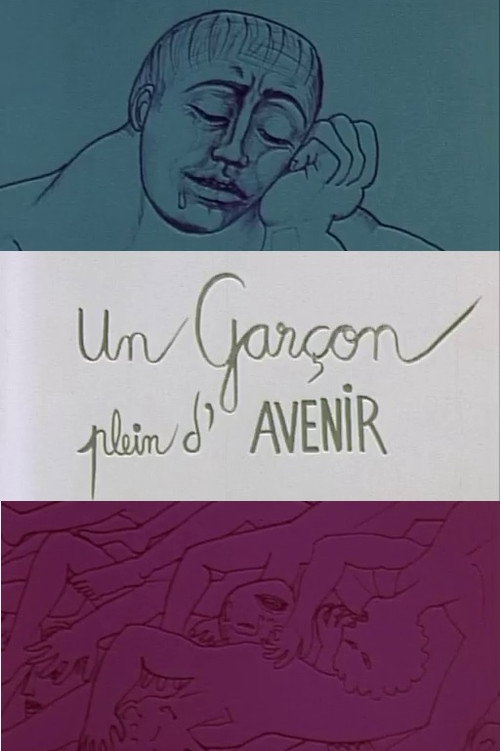
A Boy Full of Future 1965
In the surreal short film *A Boy Full of Future* (1965), French animator Peter Foldès crafts a nightmarish tale of raw, unfiltered destruction.
Director: Peter Foldès
Frequently Asked Questions
What is A Boy Full of Future (1965) about?
The film follows a newborn child that devours its mother, transforming into a monstrous force of destruction. Music briefly calms the chaos, but the cycle of violence resumes until the creature meets a gruesome end. Its surreal, graphic style leaves much open to interpretation.
Who directed A Boy Full of Future?
Peter Foldès directed this experimental animated short, known for his innovative and provocative work in the medium.
Who stars in A Boy Full of Future?
Cast details for this 1965 short film are not publicly available.
Is A Boy Full of Future (1965) worth watching?
While unconventional, the film is a fascinating entry in experimental animation for fans of surreal and thought-provoking cinema. Its brevity and bold visuals make it a unique experience, though not for the faint of heart.
How long is A Boy Full of Future?
The film runs for 7 minutes.
About A Boy Full of Future (1965) — A Shocking 7-Minute Animated Nightmare
In the surreal short film *A Boy Full of Future* (1965), French animator Peter Foldès crafts a nightmarish tale of raw, unfiltered destruction. The story follows a newborn infant whose insatiable hunger devours its own mother, morphing into a bloodthirsty monster that rampages through its surroundings. Moments of eerie tranquility arrive when music briefly tames the chaos, but the creature's violent instincts always return, escalating until its rampage ends in a decisive, grotesque finale. Foldès' experimental animation blends stark, graphic visuals with haunting soundscapes, creating an unsettling meditation on primal urges and societal decay.
Despite its brief runtime, *A Boy Full of Future* lingers in the mind as a bold, disturbing allegory. The film's abstract style and visceral imagery challenge viewers to interpret its meaning—whether as a critique of human nature, a commentary on post-war anxieties, or simply a provocative exercise in animation. Its raw energy and unflinching approach to storytelling make it a standout in the experimental animation genre, leaving a lasting impression long after the credits roll.