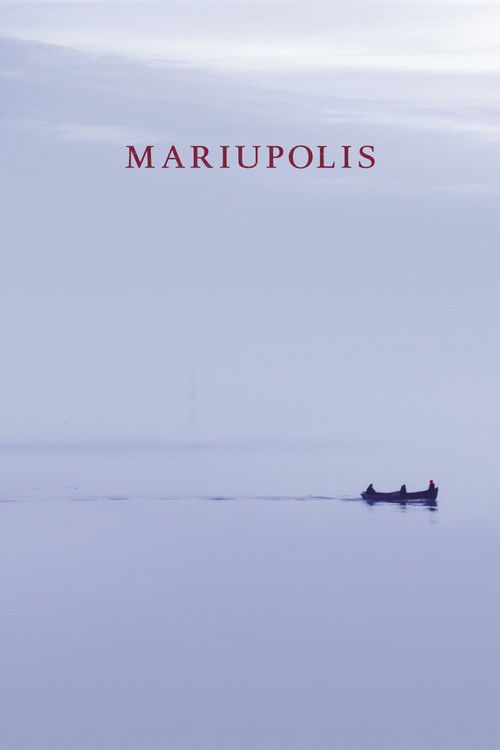
Mariupolis 2016
Directed by Mantas Kvedaravičius, *Mariupolis (2016)* immerses viewers in the daily rhythms of a Ukrainian coastal city where life revolves around industry, faith, and resilience.
Director: Mantas Kvedaravičius
Frequently Asked Questions
What is Mariupolis (2016) about?
*Mariupolis (2016)* is a documentary that paints a vivid picture of life in a Ukrainian port city, where steel factories anchor the economy and the Orthodox faith shapes daily rituals. The film contrasts the industrial buzz of the city with moments of quiet reflection, especially around a miraculous icon said to weep tears of sorrow. It's a meditation on community, tradition, and the resilience of its people.
Who directed Mariupolis?
The film was directed by Mantas Kvedaravičius, a Lithuanian filmmaker known for his evocative documentary work that explores social and cultural landscapes.
Who stars in Mariupolis?
The film features a cast of real-life locals—steelworkers, fishermen, worshippers, and others whose daily lives form the backbone of the documentary.
Is Mariupolis (2016) worth watching?
While *Mariupolis (2016)* doesn't have an IMDb rating, its genre—a meditative documentary—promises depth and authenticity. Fans of slow, immersive storytelling and cultural studies will find its portrayal of a city on the brink of transformation deeply rewarding.
How long is Mariupolis?
The film runs for 96 minutes.
🎥 Trailer
About Mariupolis (2016) — A haunting documentary portrait of Ukraine's industrial heart
Directed by Mantas Kvedaravičius, *Mariupolis (2016)* immerses viewers in the daily rhythms of a Ukrainian coastal city where life revolves around industry, faith, and resilience. Nestled between the Azov Sea and the Kalmius River, the port town of half a million pulses with the energy of steelworks and the quiet dignity of its people. Kvedaravičius' lens captures the interplay of tradition and modernity—cranes rise against the skyline while an Orthodox church's gleaming domes reflect centuries of belief. Amid these contrasts, a weeping icon becomes an unlikely focal point, drawing locals and offering a rare moment of stillness in an otherwise bustling existence.
The film's atmosphere is both contemplative and urgent, weaving together the personal and the political through intimate portraits of workers, fishermen, and worshippers. Kvedaravičius doesn't just document; he invites audiences to witness the heartbeat of a community on the edge of change, where every frame hums with the weight of history and the fragility of everyday life.