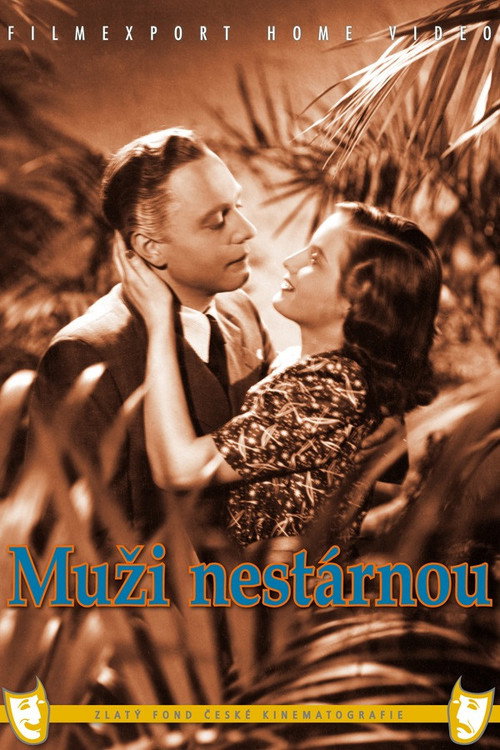
Muži nestárnou 1942
Muži nestárnou (1942), directed by Vladimír Slavínský, is a heartfelt Czechoslovak romance blending comedy and drama against the backdrop of early 20th-century Prague.
Director: Vladimír Slavínský
Cast



Frequently Asked Questions
What is Muži nestárnou (1942) about?
Muži nestárnou traces the intertwined lives of Stáňa Járský and Jiřina Horníková over three decades, exploring how love blossoms, fades, and mysteriously reappears. Set against the evolving social fabric of Prague, the story captures the tension between personal desire and societal expectations.
Who directed Muži nestárnou?
Muži nestárnou was directed by Vladimír Slavínský, a prominent figure in Czechoslovak cinema known for blending romance and comedy in his films.
Who stars in Muži nestárnou?
The film features Zita Kabátová, František Roland, Jana Romanová, Eva Matějková, and Jarmila Smejkalová in key roles.
Is Muži nestárnou (1942) worth watching?
While unrated on IMDb, this classic romance-comedy offers a charming glimpse into early 20th-century Czechoslovakia, with Slavínský's direction and strong performances making it a delightful watch for fans of period dramas and heartfelt storytelling.
How long is Muži nestárnou?
Runtime details are not listed.
About Muži nestárnou (1942) — A Romantic Comedy of Love, Time, and Second Chances
Muži nestárnou (1942), directed by Vladimír Slavínský, is a heartfelt Czechoslovak romance blending comedy and drama against the backdrop of early 20th-century Prague. The film follows the life of Stáňa Járský, whose passionate feelings for his music pupil's mother in 1911 set the stage for a lifelong pursuit of love. Decades later, fate reunites him with the now-grown Jiřina, the daughter he once taught, only to face another twist of destiny. With time, social expectations, and personal ambition complicating their paths, the story explores the enduring, yet often elusive, nature of love.
Slavínský's direction infuses the narrative with a nostalgic charm, capturing the elegance of Prague's historical landscape while weaving a tale of missed connections and quiet resilience. The film's atmosphere is one of understated romance, where emotions simmer beneath the surface of everyday life, and laughter punctuates moments of melancholy. As the years pass, the characters' journeys reflect the bittersweet reality that men may not age in the way the heart does.