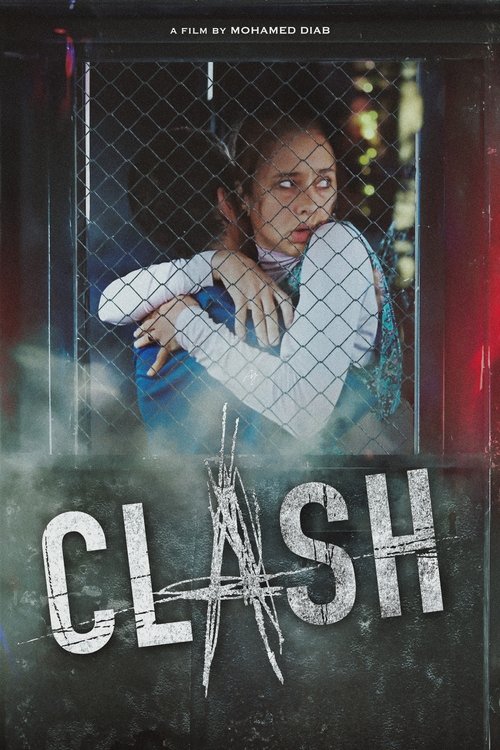
Clash 2016
"Conflict is on the inside."
Egyptian director Mohamed Diab crafts *Clash (2016)* as a gripping thriller-drama set against the raw backdrop of Cairo's political upheaval in 2013.
Director: Mohamed Diab
Cast
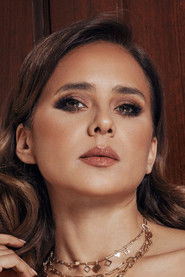
Nelly Karim
Nagwa
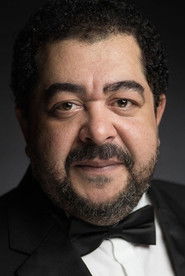
Tarek Abdelaziz
Husam
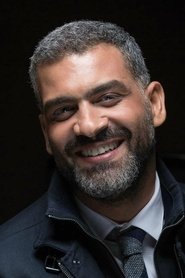
Hani Adel
Adam

Ahmed Dash
Fares
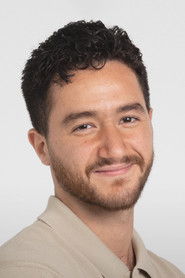
Ahmed Malek
Mans
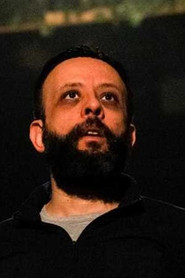
Amr Al Qadi
Mohammad Hashim
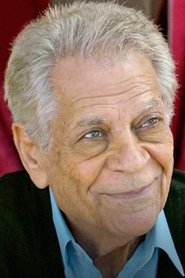
Gamil Barsoum
Salah
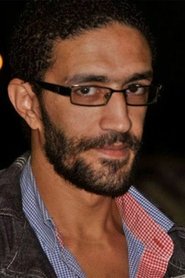
Khaled Kamal
Rabih

May Elghety
Aisha
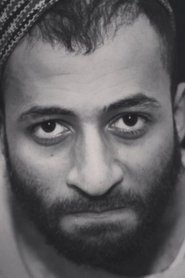
Mohamed El Seweisy
Awais
Frequently Asked Questions
What is Clash (2016) about?
*Clash (2016)* dives into the chaos of Cairo's political turmoil in 2013, where strangers from opposing backgrounds find themselves locked in a police truck. Their shared captivity becomes a battleground for clashing ideologies and raw survival instincts.
Who directed Clash?
*Clash (2016)* was directed by Mohamed Diab, a filmmaker known for his sharp social commentary and emotionally charged narratives.
Who stars in Clash?
The ensemble cast includes Nelly Karim, Tarek Abdelaziz, Hani Adel, Ahmed Dash, and Ahmed Malek, each delivering intense performances that drive the film's tension.
Is Clash (2016) worth watching?
With its tight script and compelling performances, *Clash (2016)* stands out as a gripping thriller-drama. While it lacks an IMDb rating, its themes of conflict and human resilience make it a thought-provoking watch.
How long is Clash?
*Clash (2016)* has a runtime of 95 minutes.
🎥 Trailer
About Clash (2016) — A high-stakes thriller about unity in chaos
Egyptian director Mohamed Diab crafts *Clash (2016)* as a gripping thriller-drama set against the raw backdrop of Cairo's political upheaval in 2013. The film thrusts diverse detainees—each with distinct political and social beliefs—into a claustrophobic police truck, forcing them into an explosive confrontation where alliances and enmities collide. Rammed into the back of a vehicle during the turbulent aftermath of President Morsi's ousting, these strangers must navigate their differences in a microcosm of a divided nation. Diab's razor-sharp storytelling and confined setting amplify the tension, blending personal dramas with the weight of historical events.
With performances led by Nelly Karim, Tarek Abdelaziz, and Hani Adel, *Clash (2016)* delivers a visceral exploration of conflict—both internal and systemic—where survival hinges on uneasy compromises. The film's unflinching portrayal of human frailty and ideological friction resonates long after the credits roll, making it a standout in modern political cinema.