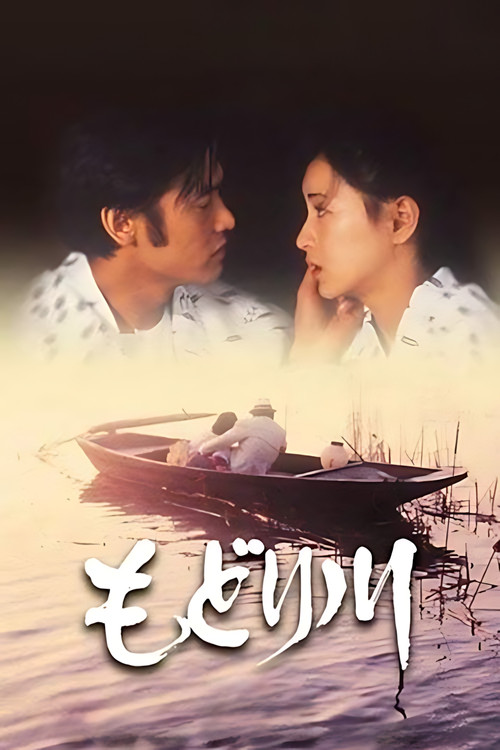
Modori River 1983
Set against the golden haze of Taishō-era Japan, *Modori River* (1983) follows Takeha, a dazzling poet whose restless spirit and uncompromising artistic vision draw women into his orbit.
Director: Tatsumi Kumashiro
Cast






Frequently Asked Questions
What is Modori River (1983) about?
The film traces the life of Takeha, a charismatic poet whose Taishō-era genius captivates women, leading them to make profound sacrifices. As his ambitions ebb and flow like the river after which the film is named, their fates intertwine in a bittersweet dance of devotion and disillusionment.
Who directed Modori River?
Tatsumi Kumashiro directed *Modori River*, known for his emotionally rich and visually poetic storytelling in Japanese cinema.
Who stars in Modori River?
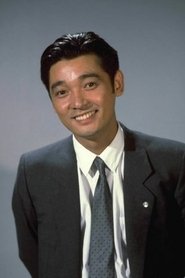
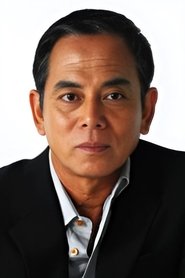
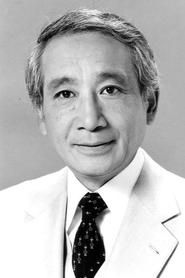
The film stars Mariko Fuji, Kenichi Hagiwara, Mieko Harada, Kanako Higuchi, and Mariko Kaga in key roles.
Is Modori River (1983) worth watching?
While *Modori River* isn't widely rated, its poetic atmosphere and exploration of artistic obsession make it a compelling watch for fans of historical dramas or character-driven narratives. The film's visual elegance and thematic depth reward patient viewers seeking something beyond the ordinary.
How long is Modori River?
*Modori River* runs for 137 minutes, offering a deeply immersive cinematic experience.
🎥 Trailer
About Modori River (1983) — A Poet's Journey Through Love and Loss in 1920s Japan
Set against the golden haze of Taishō-era Japan, *Modori River* (1983) follows Takeha, a dazzling poet whose restless spirit and uncompromising artistic vision draw women into his orbit. Directed by Tatsumi Kumashiro, the film weaves a poetic tapestry of love, ambition, and fleeting beauty as these women surrender their hearts—and sometimes their futures—to his magnetic charm.
With its lush cinematography and melancholic score, the movie captures the tension between passion and impermanence, painting a portrait of a man whose genius both inspires and destroys those who believe in him. Kumashiro's sensitive direction and the magnetic performances of Mariko Fuji, Kenichi Hagiwara, and Mieko Harada create an atmospheric experience that lingers long after the credits roll.