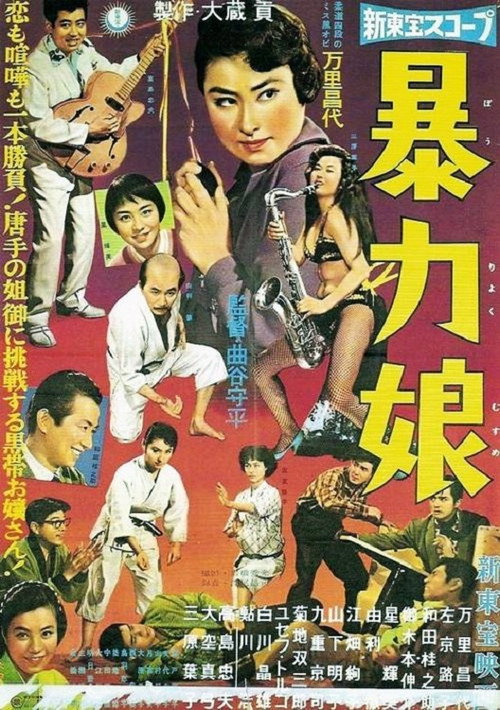
Judo Queen 1959
Step into the dojo of 1950s Japan with *Judo Queen (1959)*, a spirited Japanese sports drama directed by Morihei Magatani.
Director: Morihei Magatani
Cast



Frequently Asked Questions
What is Judo Queen (1959) about?
*Judo Queen (1959)* follows a young woman's journey as she pursues judo mastery while overcoming societal expectations and personal setbacks. The film blends competitive sports action with a heartfelt story of dedication and self-belief.
Who directed Judo Queen?
Morihei Magatani directed *Judo Queen (1959)*. His work in Japanese cinema often highlighted dynamic characters and authentic settings.
Who stars in Judo Queen?
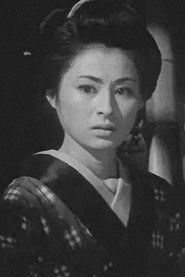
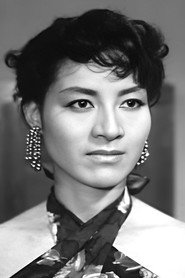
The film stars Masayo Banri, Michiko Sakyō, Keinosuke Wada, Shinsuke Mikimoto, and Terumi Hoshi, with performances that bring the judo world to life.
Is Judo Queen (1959) worth watching?
While *Judo Queen (1959)* isn't widely rated on IMDb, its blend of sports drama and Japanese cultural themes makes it a unique watch. Fans of classic martial arts or underrated gems will appreciate its charm and historical significance.
How long is Judo Queen?
*Judo Queen (1959)* runs for 83 minutes, making it a perfect fit for a single viewing session.
Judo Queen (1959): A Classic Sports Drama from Japan — Full Movie Info
Step into the dojo of 1950s Japan with *Judo Queen (1959)*, a spirited Japanese sports drama directed by Morihei Magatani. This 83-minute gem from Shintoho captures the determination, discipline, and drama of judo in an era when women were carving their place in a male-dominated sport. Masayo Banri leads the cast as a determined judoka navigating personal challenges and competitive pressures, with strong support from Michiko Sakyō and Keinosuke Wada. Set against the backdrop of post-war Japan, the film blends athletic intensity with heartfelt storytelling, exploring themes of perseverance, self-discovery, and the unifying power of martial arts.
With its dynamic fight sequences and emotional depth, *Judo Queen (1959)* offers a rare glimpse into early women's judo, celebrating resilience both on and off the mat. The movie's authentic atmosphere and character-driven narrative make it a compelling watch for fans of classic sports dramas and Japanese cinema alike. Discover why this underrated film still resonates decades later.