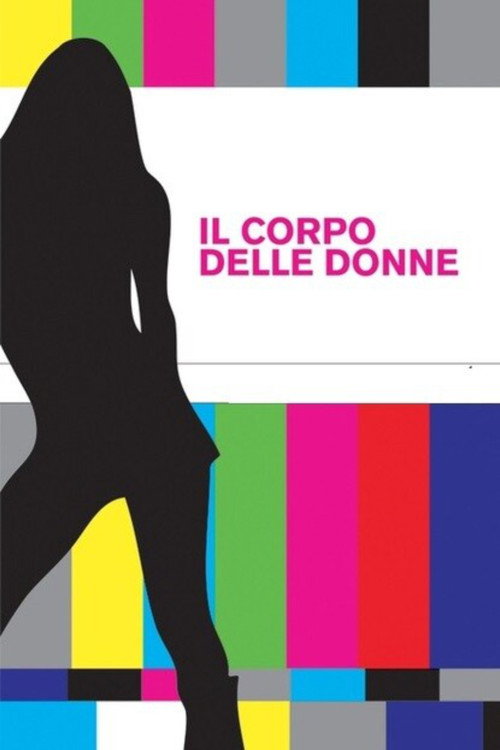
Women's Bodies 2011
Dive into the sharp and eye-opening world of *Women's Bodies (2011)*, a compelling 24-minute documentary directed by Lorella Zanardo that dissects the portrayal of women in modern Italian media.
Director: Lorella Zanardo
Cast

Frequently Asked Questions
What is Women's Bodies (2011) about?
This documentary explores how contemporary Italian media represents women, exposing the stereotypes and unrealistic standards embedded in television, advertising, and popular culture. Lorella Zanardo's film serves as both a critique and an awakening, pushing viewers to rethink what they see on screen.
Who directed Women's Bodies?
The film was directed by Lorella Zanardo, a filmmaker and activist known for her work in media criticism and gender issues.
Who stars in Women's Bodies?
The film stars Lorella Zanardo herself, serving as both director and central figure in its exploration of media representation.
Is Women's Bodies (2011) worth watching?
As a concise documentary with a powerful message, *Women's Bodies* delivers a sharp critique of media representation that feels just as relevant today. Its runtime keeps the film punchy and impactful, making it a compelling watch for anyone interested in gender, media, or social change.
How long is Women's Bodies?
The documentary runs for 24 minutes.
About Women's Bodies (2011) — A bold take on media's portrayal of women
Dive into the sharp and eye-opening world of *Women's Bodies (2011)*, a compelling 24-minute documentary directed by Lorella Zanardo that dissects the portrayal of women in modern Italian media. With a directorial vision as bold as its subject matter, Zanardo unpacks how advertising, television, and pop culture shape—and often distort—the image of women in society. The film blends stark visuals with unfiltered commentary, creating an atmosphere of urgency and introspection that lingers long after the credits roll.
Through stark contrasts and unflinching observations, *Women's Bodies* challenges viewers to question the stereotypes and unrealistic standards perpetuated by mainstream media. Zanardo, who also stars in the film, brings a personal yet universally resonant perspective to the screen, making it as much a call to action as it is a cinematic experience. The documentary's tone is both confrontational and reflective, perfect for anyone interested in media literacy, gender studies, or the power of visual storytelling.