Yukko no Okurimono: Cosmos no Yō ni 1982
Step into the quiet elegance of *Yukko no Okurimono: Cosmos no Yō ni* (1982), a poignant Japanese drama that unfolds like a delicate brushstroke on rice paper.
Director: Tengo Yamada
Cast



Frequently Asked Questions
What is Yukko no Okurimono: Cosmos no Yō ni (1982) about?
This 1982 Japanese drama delves into the subtle intricacies of human relationships, capturing the delicate balance between connection and solitude. Through a series of quiet, everyday moments, the film reflects on themes of longing and the transient nature of life's most meaningful experiences.
Who directed Yukko no Okurimono: Cosmos no Yō ni?
Yukko no Okurimono: Cosmos no Yō ni (1982) was directed by Tengo Yamada, a filmmaker known for his sensitive and introspective storytelling.
Who stars in Yukko no Okurimono: Cosmos no Yō ni?
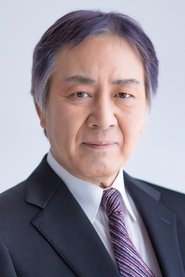
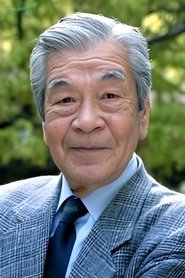
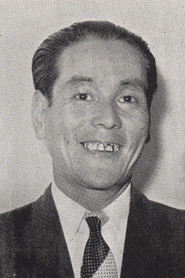
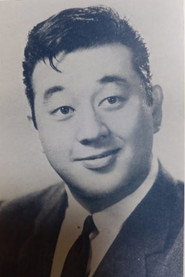
The film features standout performances from Ryo Tamura, Nobuko Miyamoto, Akemi Ōshima, Toshinori Omi, and Fumi Dan.
Is Yukko no Okurimono: Cosmos no Yō ni (1982) worth watching?
While it may lack mainstream appeal, *Yukko no Okurimono: Cosmos no Yō ni* rewards patient viewers with its quiet elegance and emotional depth. If you appreciate Japanese dramas that prioritize atmosphere over spectacle, this film is a hidden gem worth exploring.
How long is Yukko no Okurimono: Cosmos no Yō ni?
Yukko no Okurimono: Cosmos no Yō ni (1982) runs for 103 minutes.
About Yukko no Okurimono: Cosmos no Yō ni (1982) — A Japanese Drama of Quiet Beauty and Emotional Depth
Step into the quiet elegance of *Yukko no Okurimono: Cosmos no Yō ni* (1982), a poignant Japanese drama that unfolds like a delicate brushstroke on rice paper. Directed by the understated yet masterful Tengo Yamada, this 1982 gem immerses viewers in a world where emotions ripple beneath the surface of everyday life. The film's meditative pace, rich with quiet introspection, explores themes of longing, connection, and the subtle beauty of fleeting moments. Through the eyes of its characters—carefully portrayed by a talented ensemble—we glimpse the cosmic dance of relationships, where love and loss intertwine like the threads of a finely woven tapestry. The atmosphere is one of serene melancholy, a celebration of the ordinary made extraordinary.
Ryo Tamura, Nobuko Miyamoto, and Akemi Ōshima anchor the story with performances that feel as natural as the Japanese countryside in autumn. The film's restrained beauty invites reflection, leaving audiences to ponder the unseen forces that shape our lives. Whether you're drawn to Japanese cinema, drawn-in character studies, or simply love a story that lingers in the mind, *Yukko no Okurimono: Cosmos no Yō ni* offers a deeply moving experience that lingers long after the credits roll.