Innocence 1973
Dive into the avant-garde realm of early computer animation with *Innocence (1973)*, a groundbreaking short film directed by pioneering digital artist Lillian Schwartz.
Director: Lillian Schwartz
Frequently Asked Questions
What is Innocence (1973) about?
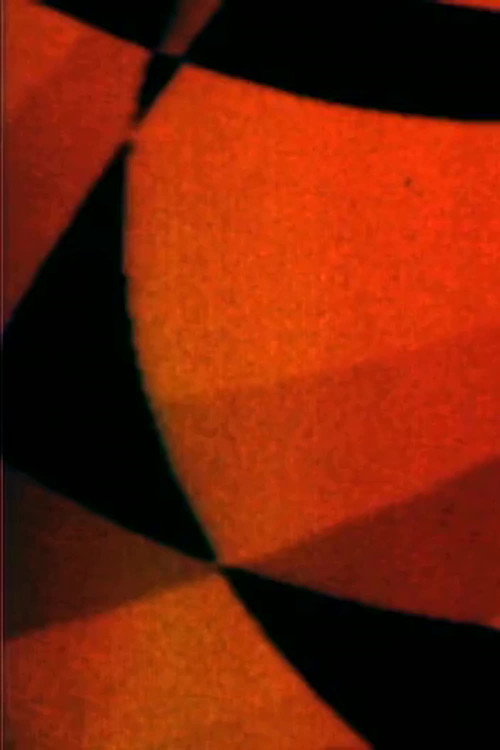
*Innocence* is an experimental animation that transforms direct color TV monitor feeds into a symphony of visuals and sound. The film's abstract designs and rhythmic patterns create an otherworldly experience, capturing the raw potential of early computer-generated art.
Who directed Innocence?
Lillian Schwartz directed *Innocence (1973)*. She was a visionary in digital art and computer animation, pushing the boundaries of how technology could shape creative expression.
Who stars in Innocence?
The cast of *Innocence (1973)* is not publicly listed, as this experimental short film focuses solely on its innovative visual and auditory composition.
Is Innocence (1973) worth watching?
*Innocence* is a niche but fascinating piece of film history, particularly for fans of experimental animation or early digital art. While it's far from mainstream, its historical significance and hypnotic quality make it intriguing for those curious about the evolution of animation technology.
How long is Innocence?
The runtime of *Innocence (1973)* is approximately 2 minutes.
About Innocence (1973) — How a 2-Minute Film Redefined Animation
Dive into the avant-garde realm of early computer animation with *Innocence (1973)*, a groundbreaking short film directed by pioneering digital artist Lillian Schwartz. Clocking in at just two minutes, this experimental animation defies traditional techniques by leveraging direct color TV monitor feeds to craft mesmerizing music and visuals. The film's abstract patterns and pulsating rhythms create an immersive experience that blurs the line between art and technology, evoking a sense of raw, unfiltered creativity. Inspired by the possibilities of digital art, *Innocence* captures the innocence of technological exploration in its purest form, making it a fascinating relic of 1970s experimental cinema.
As one of the earliest examples of computer-generated animation, *Innocence (1973)* stands as a testament to Lillian Schwartz's visionary approach. Though the cast remains uncredited, the film's impact lies in its innovative technique and atmospheric intensity. The interplay of sound and visuals in this ultra-short runtime invites viewers to reflect on the intersection of art, science, and the evolving medium of film. Whether you're a history buff or an animation enthusiast, this obscure gem offers a glimpse into the dawn of digital creativity.