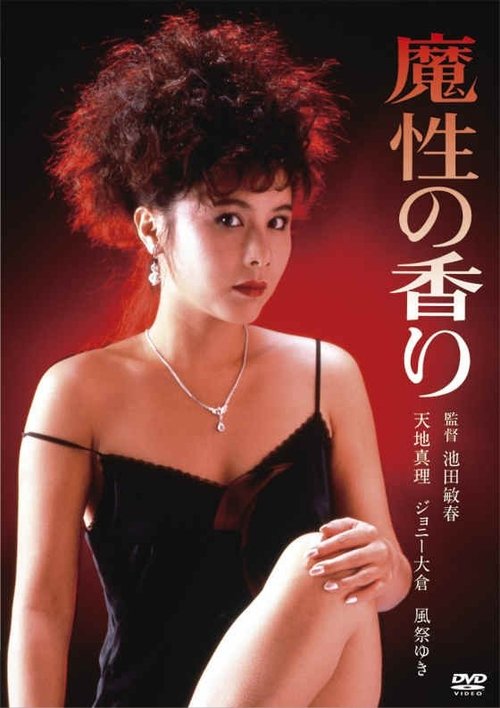
Scent of a Spell 1985
In the quietly gripping drama *Scent of a Spell* (1985), directed by Toshiharu Ikeda, a chance encounter unfolds into a haunting exploration of pain and redemption.
Director: Toshiharu Ikeda
Cast








Frequently Asked Questions
What is Scent of a Spell (1985) about?
A chance encounter leads a kind stranger to save a woman from self-harm, but their growing relationship reveals harrowing truths from her past. The film traces their fragile connection as they confront long-buried trauma and the weight of unspoken pain.
Who directed Scent of a Spell?
Toshiharu Ikeda directed *Scent of a Spell*, known for his atmospheric storytelling and focus on character-driven dramas.
Who stars in Scent of a Spell?
The film features Yuki Kazamatsuri and Mari Amachi in the lead roles, supported by Johnny Ohkura, Chōei Takahashi, and Haruko Wanibuchi.
Is Scent of a Spell (1985) worth watching?
With its blend of mystery and drama, *Scent of a Spell* offers an intriguing character study, though its pacing may feel deliberate. Fans of atmospheric, low-key films will likely find it rewarding despite its unrated IMDb status.
How long is Scent of a Spell?
The film runs for 90 minutes.
About Scent of a Spell (1985) — A haunting drama of rescue and hidden pasts
In the quietly gripping drama *Scent of a Spell* (1985), directed by Toshiharu Ikeda, a chance encounter unfolds into a haunting exploration of pain and redemption. The film follows a young man who intervenes to save a woman from a suicide attempt, only to find himself drawn into the tangled web of her past. As their bond deepens, secrets surface about betrayal, loss, and the lingering scars that shape her life. Ikeda crafts an atmosphere of melancholy and tension, threading themes of fate and healing through the narrative.
With its roots in the mystery and drama genres, *Scent of a Spell* weaves a subtle yet compelling story that lingers long after the credits roll. Starring Yuki Kazamatsuri and Mari Amachi, the film delivers emotional weight through nuanced performances, contrasting the protagonist's compassionate curiosity with the woman's guarded vulnerability. In just 90 minutes, Ikeda transforms a simple premise into a poignant meditation on human connection and the echoes of suffering.