Dry Wives and Ruling Husbands 1957
Dry Wives and Ruling Husbands (1957) is a delightful Japanese comedy that explores the humorous dynamics between spouses in post-war Japan.
Director: Toshiro Omi
Cast
Frequently Asked Questions
What is Dry Wives and Ruling Husbands (1957) about?
This Japanese comedy follows the humorous misadventures of married couples navigating domestic life in 1950s Japan. The film centers on the comedic tension between spouses as they deal with everyday situations and traditional gender expectations.
Who directed Dry Wives and Ruling Husbands?
The film was directed by Toshiro Omi, a filmmaker known for his work in Japanese cinema during the mid-20th century.
Who stars in Dry Wives and Ruling Husbands?
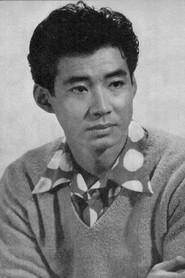
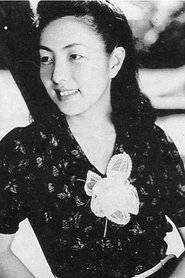
The main cast includes Tadao Takashima, Michiko Maeda, Chikako Miyagi, Saburō Bōya, and Ichiro Namiki.
Is Dry Wives and Ruling Husbands (1957) worth watching?
As an unrated film from 1957, this Japanese comedy offers historical value for fans of classic international cinema. Its short runtime and traditional humor make it an interesting glimpse into mid-century Japanese domestic life, though modern audiences may find the comedy style quite dated.
How long is Dry Wives and Ruling Husbands?
The film has a runtime of 67 minutes.
Dry Wives and Ruling Husbands (1957): Classic Japanese Comedy — Full Movie Info
Dry Wives and Ruling Husbands (1957) is a delightful Japanese comedy that explores the humorous dynamics between spouses in post-war Japan. Directed by Toshiro Omi, this 67-minute film offers a lighthearted look at marital relationships through the lens of classic domestic comedy. The story revolves around the everyday struggles and amusing situations that arise when traditional gender roles clash with modern sensibilities.
Starring Tadao Takashima and Michiko Maeda alongside Chikako Miyagi, Saburō Bōya, and Ichiro Namiki, the film showcases the talented ensemble delivering witty performances. Set against the backdrop of 1950s Japan, Dry Wives and Ruling Husbands captures the social atmosphere of the era while providing plenty of laughs. The comedy stems from situational misunderstandings and the eternal dance between husbands and wives, making it a charming time capsule of Japanese cinema.
This vintage comedy remains entertaining for audiences interested in classic international cinema. Its brief runtime makes it perfect for a quick viewing session, and the performances bring authenticity to the period setting. Fans of retro Japanese comedies will appreciate the nostalgic value and cultural insights embedded throughout the film.