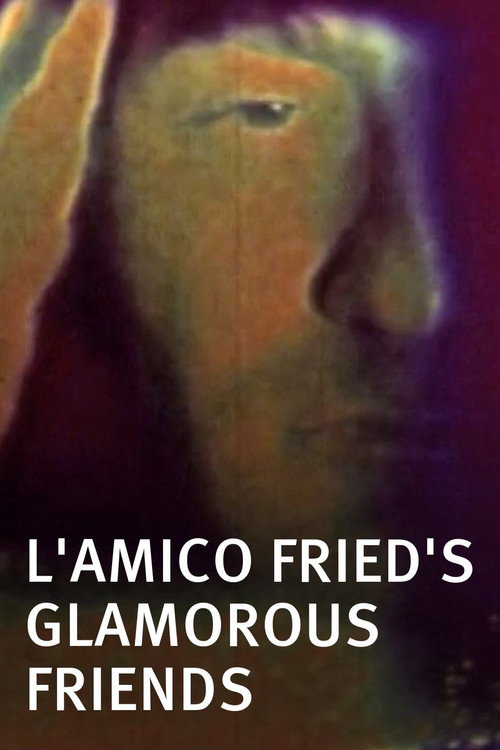
L'Amico Fried's Glamorous Friends 1976
L'Amico Fried's Glamorous Friends (1976), a short experimental comedy-drama directed by Roger Jacoby, unfolds like an avant-garde dance between light and shadow.
Director: Roger Jacoby
Cast
Frequently Asked Questions
What is L'Amico Fried's Glamorous Friends (1976) about?
This short film centers on a striking pas de deux performed by Ondine and Sally Dixon, wrapped in an atmosphere of surreal tension and visual poetry. The collaboration between light, shadow, and movement creates a layered experience that defies straightforward narrative, instead inviting viewers into a hypnotic, almost dreamlike encounter.
Who directed L'Amico Fried's Glamorous Friends?
The film was directed by Roger Jacoby, an experimental filmmaker known for his innovative and visually arresting works in the 1970s and beyond.
Who stars in L'Amico Fried's Glamorous Friends?
The film features Ondine and Sally Dixon, both of whom deliver a captivating dance performance that anchors the short's experimental style.
Is L'Amico Fried's Glamorous Friends (1976) worth watching?
While its runtime is brief and its approach highly stylized, the film offers a unique blend of visual artistry and performative tension that may appeal to fans of experimental cinema. Its lack of IMDb rating suggests niche appeal, so it's best approached as a curiosity rather than a mainstream must-see.
How long is L'Amico Fried's Glamorous Friends?
The film has a runtime of 11 minutes.
About L'Amico Fried's Glamorous Friends (1976) — Roger Jacoby's avant-garde short film with Ondine and Sally Dixon
L'Amico Fried's Glamorous Friends (1976), a short experimental comedy-drama directed by Roger Jacoby, unfolds like an avant-garde dance between light and shadow. This 11-minute film pairs Ondine and Sally Dixon in a mesmerizing pas de deux that blends beauty with unease, leaving viewers both enchanted and unsettled. Jacoby crafts an atmosphere thick with dry wit and surreal tension, where the collision of visual textures feels at once exquisite and disorienting. Like peering into an exotic fog, the film resists easy interpretation, oscillating between clarity and ambiguity with deliberate precision.
The interplay of sound and silence mirrors the push-and-pull of the performers' movements, creating an immersive experience that lingers long after the credits roll. Melding formal experimentation with raw emotional undercurrents, Jacoby's work feels like a fleeting glimpse into a private reverie—intimate, idiosyncratic, and just slightly unsettling.