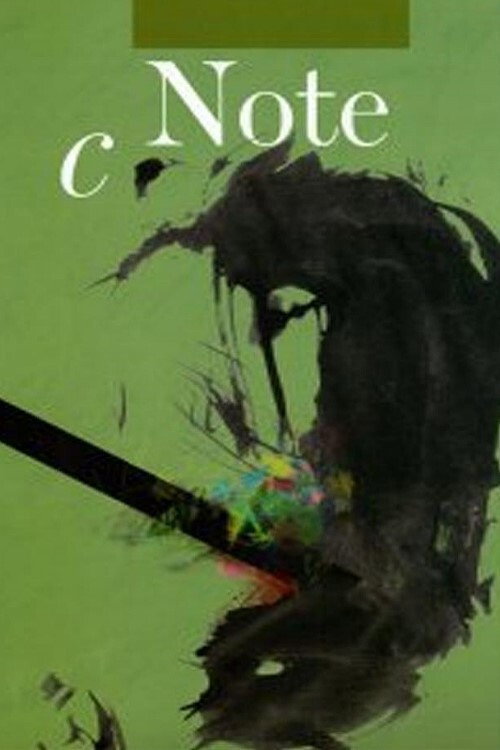
cNote 2005
In *cNote (2005)*, visionary animator Christopher Hinton and composer Michael Oesterle craft a mesmerizing seven-minute symphony of sight and sound.
Director: Christopher Hinton
Frequently Asked Questions
What is cNote (2005) about?
This animated short explores the seamless interplay between visual art and music through a seven-minute, wordless journey. Director Christopher Hinton's dynamic imagery syncs with composer Michael Oesterle's original classical score, creating a hypnotic experience that transcends language and narrative.
Who directed cNote?
Christopher Hinton directed *cNote (2005)*, blending his expertise in animation with a fresh, experimental approach to visual storytelling.
Who stars in cNote?
Cast details for *cNote (2005)* are not publicly listed, reflecting its focus on abstract artistry over traditional performances.
Is cNote (2005) worth watching?
While *cNote* lacks a traditional plot, its experimental fusion of animation and music offers a unique, thought-provoking experience. Fans of avant-garde or abstract short films may find it particularly engaging, though its niche appeal may not suit all tastes.
How long is cNote?
*cNote (2005)* has a runtime of 7 minutes.
About cNote (2005) — A 7-Minute Animated Symphony of Sound and Vision
In *cNote (2005)*, visionary animator Christopher Hinton and composer Michael Oesterle craft a mesmerizing seven-minute symphony of sight and sound. This wordless short film marries Hinton's fluid, abstract visuals with Oesterle's bold, original modern classical score, creating a hypnotic dance of shapes and melodies. Without dialogue or narrative, the film immerses viewers in a world where motion and music intertwine, evoking themes of rhythm, spontaneity, and artistic expression. The result is an experimental piece that feels both playful and profound, a testament to the power of visual storytelling.
Filtered through a minimalist lens, *cNote* strips away everything but the essentials—movement, tone, and texture—to deliver a sensory experience that lingers long after the credits roll. The film's abstract nature invites multiple interpretations, whether as a study in synchronicity or a celebration of creative freedom. Its brevity belies its impact, proving that in the right hands, even the shortest films can leave a lasting impression.