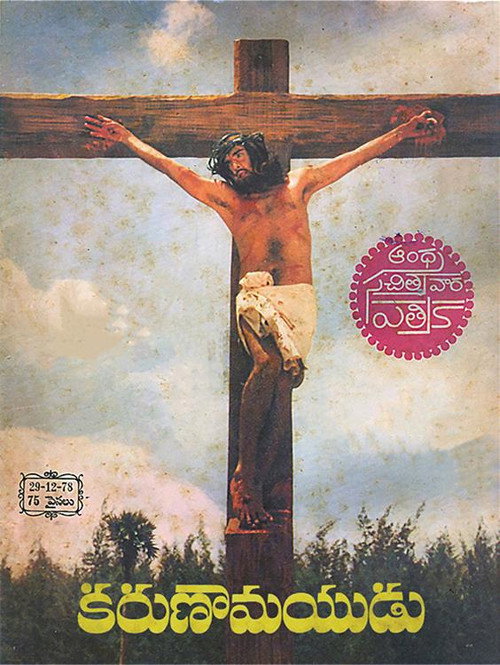
Karunamayudu 1978
Karunamayudu (1978) offers a unique cinematic interpretation of Jesus Christ's life, crafted entirely by Christian Indians in India. Directed by the acclaimed A.
Director: A. Bhimsingh
Cast






Frequently Asked Questions
What is Karunamayudu (1978) about?
Karunamayudu (1978) recounts the life of Jesus Christ through the eyes of Indian Christian filmmakers. This dramatic and historical portrayal focuses on his teachings of compassion, miracles, and ultimate sacrifice, presented with cultural sensitivity and cinematic craftsmanship.
Who directed Karunamayudu?
The film was directed by A. Bhimsingh, a respected filmmaker known for his emotive storytelling and ability to blend drama with historical themes.
Who stars in Karunamayudu?
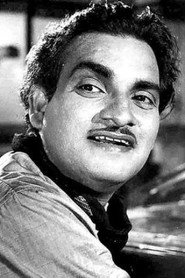
The film stars Vijayachander in the lead role, supported by Vennira Aadai Nirmala, Chandramohan, Kongara Jaggayya, and Surekha in key roles.
Is Karunamayudu (1978) worth watching?
While unrated, Karunamayudu (1978) stands out for its ambitious scope and cultural perspective on a timeless story. Its historical drama genre and heartfelt performances make it a compelling watch for fans of religious cinema and artistic retellings.
How long is Karunamayudu?
Karunamayudu (1978) has a runtime of 160 minutes.
Karunamayudu (1978): The Indian Retelling of Jesus Christ's Life — Full Movie Info
Karunamayudu (1978) offers a unique cinematic interpretation of Jesus Christ's life, crafted entirely by Christian Indians in India. Directed by the acclaimed A. Bhimsingh, this dramatic retelling blends historical depth with spiritual resonance, creating an atmosphere that feels both intimate and epic. The 160-minute runtime allows for a rich exploration of faith, sacrifice, and redemption, framed within the cultural context of its creators. With a cast led by Vijayachander and Vennira Aadai Nirmala, the film balances reverence with storytelling flair, making it a standout in regional cinema.
As a drama steeped in history, Karunamayudu (1978) invites viewers to experience a familiar narrative through a fresh lens. The film's solemn yet accessible tone resonates with themes of compassion and divine love, appealing to both devout audiences and general cinephiles. Its production choices—local talent, Indian settings—add layers of authenticity that elevate the viewing experience beyond conventional religious cinema.