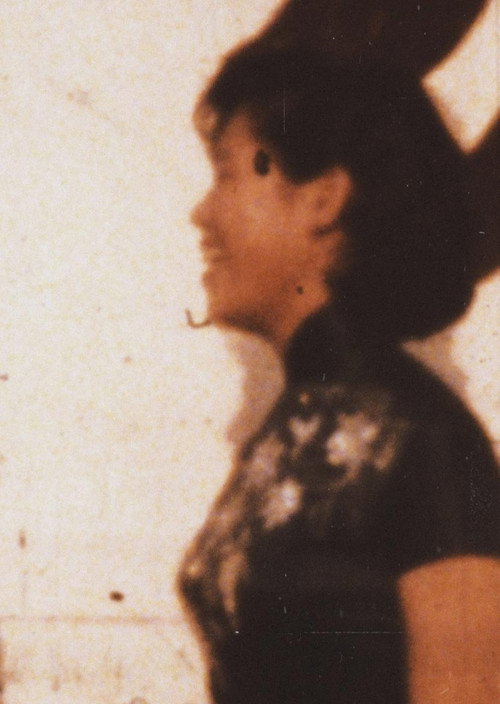
Jellyfish Sandwich 1994
Jellyfish Sandwich (1994) offers a hypnotic collage of 1990s experimental cinema, where director Luther Price stitches together a mesmerizing patchwork of archival footage.
Director: Luther Price
Frequently Asked Questions
What is Jellyfish Sandwich (1994) about?
This experimental short film by Luther Price blends found footage—wartime bombings, inverted sports clips, and Polynesian landscapes—into a rhythmic, looping collage. It's less a story and more a sensory journey through fragmented history and media.
Who directed Jellyfish Sandwich?
Jellyfish Sandwich was directed by Luther Price, an artist known for pushing the boundaries of experimental film through unconventional editing and archival material.
Who stars in Jellyfish Sandwich?
Cast details for Jellyfish Sandwich are not publicly listed.
Is Jellyfish Sandwich (1994) worth watching?
As a 13-minute experimental documentary, Jellyfish Sandwich appeals to fans of avant-garde cinema and found-footage artistry. Its unrated status and abstract style may not suit mainstream tastes, but it offers a bold, atmospheric experience.
How long is Jellyfish Sandwich?
Jellyfish Sandwich runs for 13 minutes.
Jellyfish Sandwich (1994): Experimental Found-Footage Film — Full Details
Jellyfish Sandwich (1994) offers a hypnotic collage of 1990s experimental cinema, where director Luther Price stitches together a mesmerizing patchwork of archival footage. By weaving together World War II bombings, inverted NFL game highlights, and serene Polynesian imagery, the film creates a dreamlike rhythm that challenges conventional narrative. Its looping visuals evoke a sense of nostalgia and disorientation, blending historical gravity with playful abstraction. The 13-minute runtime feels both rushed and expansive, leaving viewers with lingering questions about memory, perception, and the malleability of time.
Though stripped of traditional dialogue or plot, Jellyfish Sandwich finds power in its raw, found-footage technique. Price's approach transforms disparate clips into a cohesive meditation on the cyclical nature of history and media, where past and present collide in unexpected harmony. The result is less a film and more an experience—visceral, thought-provoking, and uniquely unsettling.