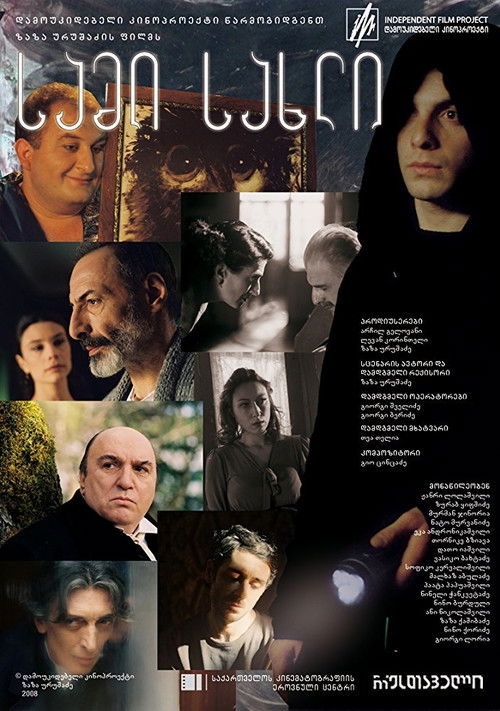
Three Houses 2008
Georgian filmmaker Zaza Urushadze crafts a haunting drama with *Three Houses (2008)* that weaves together three interconnected stories spanning different centuries, all centered around the enigmatic painting "Two Owls.
Director: Zaza Urushadze
Cast



Frequently Asked Questions
What is Three Houses (2008) about?
*Three Houses (2008)* unfolds three layered stories tied together by an eerie painting called "Two Owls." In one thread, a man's brother refuses to accept his wife's death, creating a surreal atmosphere that challenges a psychiatrist's understanding of reality and sanity.
Who directed Three Houses?
Three Houses was directed by acclaimed Georgian filmmaker Zaza Urushadze, known for his evocative storytelling and deep emotional resonance in cinema.
Who stars in Three Houses?
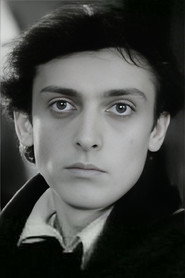
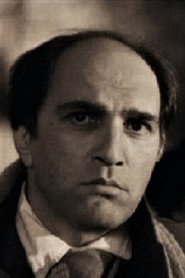
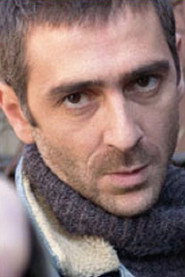
The film features Zura Kipshidze, Tornike Bziava, Murman Jinoria, Nato Murvanidze, and Zhanri Lolashvili in key roles.
Is Three Houses (2008) worth watching?
While unrated, *Three Houses (2008)* stands out for its atmospheric storytelling and unique premise. Fans of psychological dramas and historical intrigue will find its slow-burn narrative rewarding, though it may not appeal to those seeking fast-paced action.
How long is Three Houses?
Three Houses has a runtime of 109 minutes.
About Three Houses (2008) — A Georgian drama of grief and mystery across three centuries
Georgian filmmaker Zaza Urushadze crafts a haunting drama with *Three Houses (2008)* that weaves together three interconnected stories spanning different centuries, all centered around the enigmatic painting "Two Owls." The 19th-century thread follows a man in a grand mansion whose brother grieves his late wife in an unnervingly vivid way, summoning a psychiatrist to decipher the mystery. What starts as a medical inquiry soon becomes a deep dive into human emotion, where love and loss blur into something both tragic and strangely beautiful.
Starring Zura Kipshidze and Tornike Bziava in pivotal roles, *Three Houses (2008)* blends psychological depth with historical intrigue, painting a picture of grief that defies logic. The film's moody atmosphere and contemplative pacing make it a standout in Georgian cinema, exploring themes of memory, attachment, and the inescapable weight of the past.