No Poster
Haha no nai ko to ko no nai haha to 1952
A poignant Japanese drama from 1952, *Haha no nai ko to ko no nai haha to* delves into the complex bonds of parenthood when a child and mother unexpectedly find themselves in each other's roles.
Director: Mitsuo Wakasugi
Cast

Jūkichi Uno
Ichiro's dad
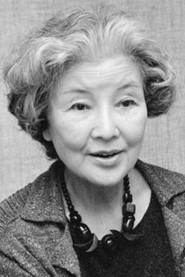
Tanie Kitabayashi
Aunt Otora
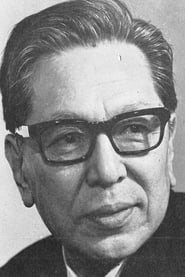
Masao Shimizu
Principal
Shinji Tanaka
Ichiro
Yasuhei Koseki
Shiro
Yumi Takano
Ichiro's mom
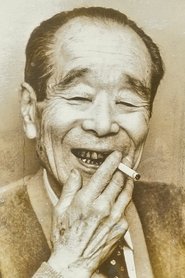
Bokuzen Hidari
Shiro's grandpa
Frequently Asked Questions
What is Haha no nai ko to ko no nai haha to (1952) about?
The film tells the story of a child and mother who suddenly switch roles, navigating the challenges of their reversed relationship with quiet determination and emotional depth. Set in post-war Japan, it explores themes of sacrifice, identity, and the enduring power of familial love.
Who directed Haha no nai ko to ko no nai haha to?
Mitsuo Wakasugi directed *Haha no nai ko to ko no nai haha to (1952)*, bringing a sensitive and nuanced approach to the film's emotional themes.
Who stars in Haha no nai ko to ko no nai haha to?
The film features a talented cast including Jūkichi Uno, Tanie Kitabayashi, Masao Shimizu, Shinji Tanaka, and Yasuhei Koseki in pivotal roles.
Is Haha no nai ko to ko no nai haha to (1952) worth watching?
While unrated, *Haha no nai ko to ko no nai haha to* is a well-crafted drama with a 90-minute runtime that delivers emotional depth and cultural significance. Its themes of family and resilience make it a thoughtful watch for fans of classic Japanese cinema.
How long is Haha no nai ko to ko no nai haha to?
The runtime of *Haha no nai ko to ko no nai haha to* is 90 minutes.
About Haha no nai ko to ko no nai haha to (1952) — A Japanese Drama of Reversed Roles and Unbreakable Love
A poignant Japanese drama from 1952, *Haha no nai ko to ko no nai haha to* delves into the complex bonds of parenthood when a child and mother unexpectedly find themselves in each other's roles. Directed by Mitsuo Wakasugi, this 90-minute family film explores themes of sacrifice, resilience, and the quiet strength of familial ties against the backdrop of post-war Japan. The story unfolds with a delicate balance of melancholy and hope, capturing the bittersweet essence of connection when life's circumstances strip away traditional roles. The atmosphere is one of quiet reflection, where every glance and gesture speaks volumes about the unspoken emotions that define human relationships. With its heartfelt narrative and emotional depth, this film remains a touching exploration of what it means to love and be loved, even when fate changes everything.
Set in a time of social upheaval, *Haha no nai ko to ko no nai haha to* (1952) transcends cultural boundaries to resonate with anyone who has ever questioned the nature of family and duty. Wakasugi's direction lends a sense of authenticity to the struggles faced by the characters, making their journey deeply relatable. The ensemble cast, led by Jūkichi Uno and Tanie Kitabayashi, brings raw emotion to the screen, ensuring that the film's themes linger long after the final scene. This is a story that doesn't just tell but *feels*, offering a glimpse into the resilience of the human spirit when faced with the unexpected.