Why Cry 1958
Why Cry (1958) is a poignant Japanese drama that dives deep into the emotional resonance of popular music from the era.
Director: Kiyohito Seki
Cast
Frequently Asked Questions
What is Why Cry (1958) about?
Why Cry (1958) explores the emotional weight of the song "Anko naze naku" through the lives of characters whose personal struggles intertwine with its melancholic melody. The film captures a moment in post-war Japan where music becomes a vessel for unspoken pain and fleeting connections.
Who directed Why Cry?
Kiyohito Seki directed Why Cry (1958), crafting a visually and emotionally resonant drama that highlights the intersection of music and human emotion in 1950s Japan.
Who stars in Why Cry?
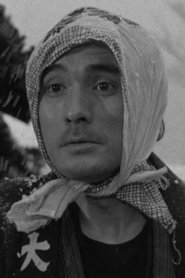
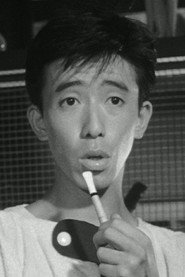
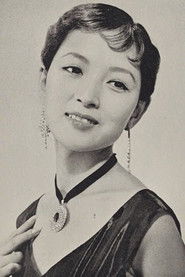
The film features a talented cast including Shinsuke Maki, Mitsuko Mitagawa, Kenjiro Uemura, Jun Miyazaki, and Yukihiko Sugi, each bringing depth to the film's dramatic narrative.
Is Why Cry (1958) worth watching?
Why Cry (1958) is a hidden gem for fans of classic Japanese dramas and kayo films, offering a concise yet powerful exploration of emotion through music. While it may not be widely known, its atmospheric storytelling and historical significance make it a compelling watch for cinephiles.
How long is Why Cry?
Why Cry (1958) has a runtime of 54 minutes.
Why Cry (1958): The Melancholic Kayo Classic Explored — Full Movie Info
Why Cry (1958) is a poignant Japanese drama that dives deep into the emotional resonance of popular music from the era. Directed by Kiyohito Seki, this 54-minute kayo film centers on the melancholic song "Anko naze naku" by Takeo Fujishima, weaving its melody into a story of longing, regret, and fleeting human connections. The film's black-and-white cinematography casts a somber mood over its narrative, where characters grapple with personal struggles against the backdrop of post-war Japan. Seki's direction emphasizes raw emotion, making Why Cry (1958) a snapshot of a time when music served as both comfort and mirror to society's sorrows.
Starring Shinsuke Maki, Mitsuko Mitagawa, and Kenjiro Uemura, the film blends drama with a musical soul, inviting viewers to reflect on the power of a single song to evoke tears and memories. Its concise runtime packs a punch, blending storytelling with the haunting elegance of 1950s Japanese cinema. For fans of introspective dramas and classic kayo films, Why Cry (1958) offers a moving experience that lingers like the final notes of a heartfelt ballad.