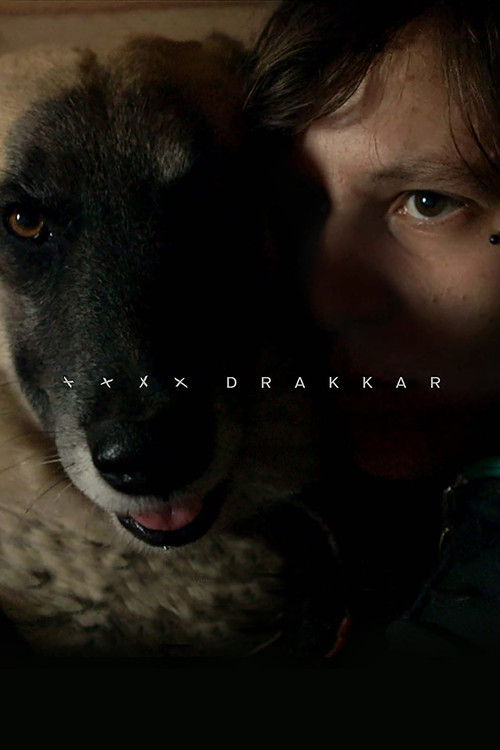
Drakkar 2015
Drakkar (2015), the debut short film by director Maud Alpi, immerses viewers in a quiet yet gripping portrait of modern isolation.
Director: Maud Alpi
Cast

Frequently Asked Questions
What is Drakkar (2015) about?
Drakkar (2015) explores the fragile coexistence of two people confined to a small space, where their relationship is tested by the absence of external distractions. With only their dog and the internet as companions, their attempt to preserve a sense of independence slowly unravels, revealing the cracks in their shared solitude.
Who directed Drakkar?
Maud Alpi directed Drakkar (2015), marking her debut with a film that blends intimate realism with a haunting exploration of emotional isolation.
Who stars in Drakkar?
The lead roles in Drakkar (2015) are played by Charly Kermorgant and Jonathan Tricot, supported by Giselle Teulié and other key actors who bring depth to the film's sparse yet powerful narrative.
Is Drakkar (2015) worth watching?
While Drakkar (2015) is a short drama with an unrated IMDb score, its atmospheric storytelling and themes of modern alienation make it a compelling watch for fans of low-key, introspective cinema. Its brevity and emotional resonance leave a lasting impression, even if it's not a mainstream crowd-pleaser.
How long is Drakkar?
Drakkar (2015) has a runtime of 52 minutes.
About Drakkar (2015) — A Quiet Drama of Modern Isolation and Digital Longing
Drakkar (2015), the debut short film by director Maud Alpi, immerses viewers in a quiet yet gripping portrait of modern isolation. Set against the backdrop of a cramped living space, the story follows an unnamed couple whose bond is tested as they navigate life with little more than a loyal dog and the vast, all-consuming reach of the internet as their sole companions. Their struggle to carve out a sense of freedom in such confined circumstances unfolds with raw, understated tension, blending realism with a subtle sense of existential unease. The film's minimalist approach amplifies its emotional weight, leaving audiences to ponder the quiet fractures in relationships when the outside world feels both tantalizingly close and impossibly distant.
With a runtime of just 52 minutes, Drakkar is a slow-burn drama that lingers long after the credits roll. The sparse, naturalistic performances by Charly Kermorgant and Jonathan Tricot ground the narrative in authenticity, while the film's restrained aesthetic underscores themes of loneliness, digital disconnection, and the fragile boundaries between solitude and companionship. It's a story that resonates deeply in an era where screens often mediate our closest connections.