Jesse Owens Returns to Berlin 1966
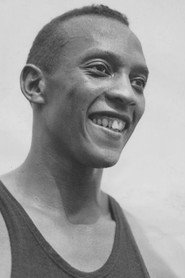
Jesse Owens Returns to Berlin (1966) revisits one of sports history's most pivotal moments, directed by acclaimed filmmaker Bud Greenspan.
Director: Bud Greenspan
Cast
Frequently Asked Questions
What is Jesse Owens Returns to Berlin (1966) about?
This documentary immerses viewers in the 1936 Berlin Olympics, where Jesse Owens' extraordinary athletic achievements became a powerful rebuttal to Hitler's racist ideology. It explores the political climate of the era and Owens' role in challenging Nazi propaganda through sheer excellence.
Who directed Jesse Owens Returns to Berlin?
The film was directed by Bud Greenspan, a renowned filmmaker celebrated for his sports documentaries and storytelling prowess.
Who stars in Jesse Owens Returns to Berlin?
The documentary features Jesse Owens and Kai Long as its main participants, with Owens serving as the focal point of the historical narrative.
Is Jesse Owens Returns to Berlin (1966) worth watching?
As a concise historical documentary, it offers a compelling look at Owens' legacy and the 1936 Olympics through archival footage and personal insights. While not a modern blockbuster, its historical significance and engaging storytelling make it a compelling watch for sports and history enthusiasts.
How long is Jesse Owens Returns to Berlin?
The runtime of Jesse Owens Returns to Berlin (1966) is 50 minutes.
About Jesse Owens Returns to Berlin (1966) — A Defiant Olympic Triumph Captured on Film
Jesse Owens Returns to Berlin (1966) revisits one of sports history's most pivotal moments, directed by acclaimed filmmaker Bud Greenspan. This gripping documentary transports viewers back to the 1936 Berlin Olympics, a stage set against the rising tide of National Socialism and Hitler's dangerous ideology of Aryan supremacy. Through rare footage and Owens' own reflections, the film captures the raw tension of a time when racial prejudice clashed with unparalleled athletic brilliance.
The 50-minute documentary delves into the political and social stakes of Owens' triumph, where his four gold medals not only shattered records but also dismantled Hitler's claims of racial superiority. With Kai Long's participation adding depth to the narrative, the film blends history and personal story, creating an atmosphere of defiance and inspiration that lingers long after the credits roll.