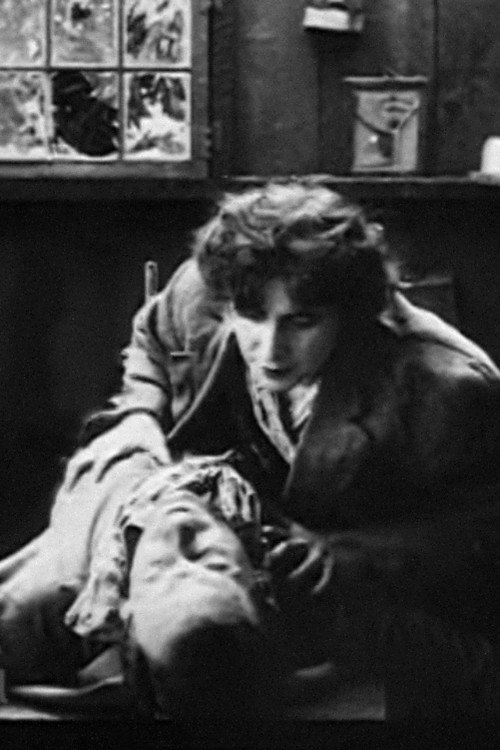
A Wife of the Hills 1912
A Wife of the Hills (1912) is a gripping silent-era western drama directed by Gilbert M. Anderson, a pioneer of early American cinema.
Director: Gilbert M. Anderson
Cast
Frequently Asked Questions
What is A Wife of the Hills (1912) about?
This silent western drama follows Bart McGrew, a wanted outlaw hiding in the hills with his young wife. As a determined lawman sets a bounty on McGrew's head, paranoia takes root when Bart suspects his wife and the pursuer are plotting against him. The film becomes a tense exploration of trust, vengeance, and the harsh realities of frontier life.
Who directed A Wife of the Hills?
Gilbert M. Anderson, a key figure in early American cinema, directed A Wife of the Hills (1912). Known for his work in silent films, Anderson shaped the storytelling techniques that defined the era.
Who stars in A Wife of the Hills?
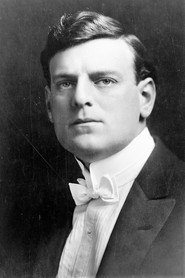
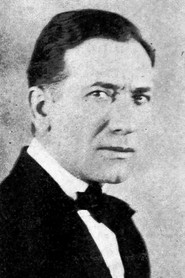
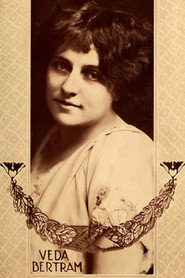
The film features Gilbert M. Anderson as Bart McGrew, alongside Arthur Mackley, Brinsley Shaw, and Vedah Bertram in pivotal roles.
Is A Wife of the Hills (1912) worth watching?
While A Wife of the Hills (1912) is a silent-era short film, its tight plotting, emotional depth, and raw atmosphere make it a fascinating watch for fans of early westerns or classic cinema. Its historical significance and gripping tension offer a rewarding experience for those interested in the evolution of film storytelling.
How long is A Wife of the Hills?
A Wife of the Hills (1912) runs for 15 minutes.
About A Wife of the Hills (1912) — A Silent-Era Western of Betrayal and Survival
A Wife of the Hills (1912) is a gripping silent-era western drama directed by Gilbert M. Anderson, a pioneer of early American cinema. Set against the rugged backdrops of frontier America, the film follows Bart McGrew, a notorious outlaw living in seclusion with his young wife in the hills. His peaceful existence shatters when Dan Trent, a determined lawman, sets out to claim the bounty on McGrew's head. Suspicion festers as McGrew grapples with the chilling possibility that his wife and Trent may be conspiring against him, weaving a tense web of betrayal and survival.
The atmosphere crackles with raw tension, blending the untamed spirit of the west with the emotional weight of a fractured marriage. Anderson's direction captures both the harsh beauty and moral ambiguity of the era, while the central trio—Gilbert M. Anderson, Arthur Mackley, and Brinsley Shaw—deliver performances steeped in intensity. This 15-minute silent gem offers a compelling glimpse into early storytelling, where every glance and gesture speaks volumes in a world unspoiled by sound.