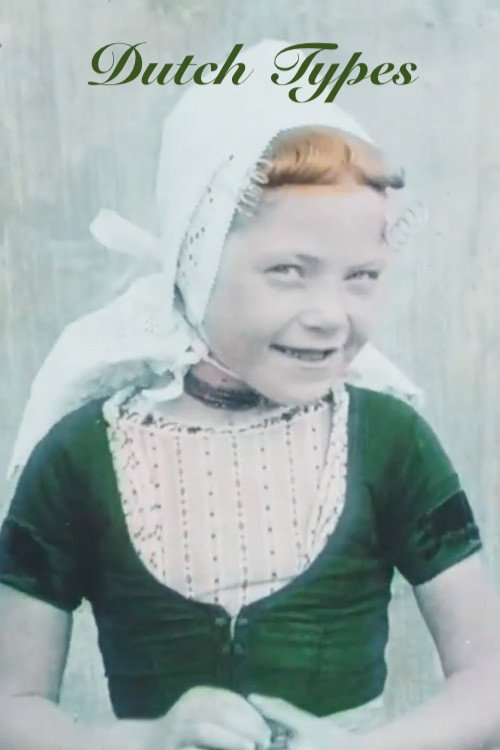
Dutch Types 1915
Dutch Types (1915) offers a rare early-20th-century glimpse into the daily lives of women across Holland and its picturesque countryside, blending documentary realism with cultural curiosity.
Frequently Asked Questions
What is Dutch Types (1915) about?
This four-minute silent documentary showcases the daily lives of women across Holland and its countryside, offering a candid look at their roles and environments in the early 20th century. It's less a story and more a visual study of cultural contrasts and social norms.
Who directed Dutch Types?
Director information is not available.
Who stars in Dutch Types?
The film's cast is uncredited, reflecting the silent-era norms where performers were rarely named in early documentaries.
Is Dutch Types (1915) worth watching?
As an unrated silent documentary, it's a niche interest, but its historical value for early film and Dutch culture makes it noteworthy. If you appreciate time capsules over polished narratives, it's a charming glimpse into the past.
How long is Dutch Types?
Dutch Types (1915) has a runtime of 4 minutes.
🎥 Trailer
About Dutch Types (1915) — Exploring Early Dutch Culture Through Silent Film
Dutch Types (1915) offers a rare early-20th-century glimpse into the daily lives of women across Holland and its picturesque countryside, blending documentary realism with cultural curiosity. Directed by an unnamed filmmaker, this four-minute silent short captures the essence of Dutch society through candid portraits of women engaged in their routines—whether in bustling towns or quiet rural landscapes. The film's atmosphere feels both nostalgic and observational, as it highlights the diversity of roles and environments without narrative embellishment. As a silent-era documentary, it stands as a fascinating artifact of visual storytelling, preserving slices of life that might otherwise have faded into obscurity.
Though modest in length, Dutch Types (1915) provides a compelling snapshot of early Dutch culture, emphasizing the contrast between urban and rural femininity. Its straightforward approach eschews dramatic flourishes, instead inviting viewers to immerse themselves in the textures and rhythms of the era. The film's genre—documentary—reflects a growing fascination with capturing real-world scenes, making it a time capsule of social history. Whether you're a film buff or a history enthusiast, it's a brief but intriguing window into the past.