Kôshitsu to sensô to waga minzoku 1960
This 1960 Japanese war drama from director Kiyoshi Komori immerses viewers in the turbulent final days of feudal Japan through the lens of a noble family caught in the crossfire.
Director: Kiyoshi Komori
Cast

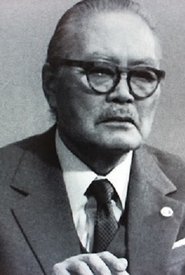

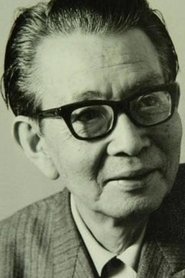
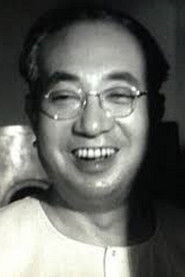
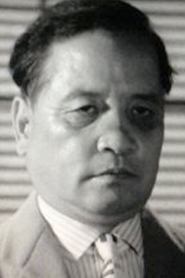

Frequently Asked Questions
What is Kôshitsu to sensô to waga minzoku (1960) about?
The film follows a prestigious Japanese family during the late feudal era as their world unravels amid widespread war and political strife. Their struggle to preserve their lineage becomes a microcosm of the larger societal collapse unfolding around them.
Who directed Kôshitsu to sensô to waga minzoku?
Kiyoshi Komori directed this 1960 war drama, bringing a measured yet emotionally charged approach to its historical narrative.
Who stars in Kôshitsu to sensô to waga minzoku?
The film features a standout cast including Kanjūrō Arashi, Takamaru Sasaki, Yōichi Numata, Hiroshi Hayashi, and Toshiaki Konoe, each portraying pivotal roles in the family's tragic arc.
Is Kôshitsu to sensô to waga minzoku (1960) worth watching?
For fans of historical war dramas with rich character depth, this understated yet powerful film offers a compelling glimpse into Japan's feudal past. While not widely celebrated today, its atmospheric storytelling and thematic weight make it a worthwhile watch for niche audiences.
How long is Kôshitsu to sensô to waga minzoku?
The film has a runtime of 95 minutes, providing a concise yet immersive cinematic experience.
🎥 Trailer
About Kôshitsu to sensô to waga minzoku (1960) — Classic Japanese War Drama Exploring Feudal Collapse
This 1960 Japanese war drama from director Kiyoshi Komori immerses viewers in the turbulent final days of feudal Japan through the lens of a noble family caught in the crossfire. Titled *Kôshitsu to sensô to waga minzoku*, the film weaves personal tragedy with the sweeping collapse of a dynasty, exploring themes of honor, loyalty, and the human cost of conflict. Set against a backdrop of political upheaval and shifting allegiances, the story unfolds with a stark realism that highlights the fragility of tradition when faced with war's relentless tide.
Komori's direction crafts an atmosphere of quiet desperation, where every decision feels like a gamble between survival and surrender. The ensemble cast, led by veterans like Kanjūrō Arashi and Takamaru Sasaki, delivers nuanced performances that ground the film's emotional weight in relatable humanity. As the clan's fate hangs in the balance, the narrative questions whether loyalty is a virtue or a vice in a world where power dictates morality. A poignant meditation on the intersection of family and war, this film remains a powerful testament to the era's cultural struggles.