Max 1967
Experience the hypnotic soundscapes and visual experimentation of *Max (1967)*, a short experimental film directed by Phill Niblock.
Director: Phill Niblock
Frequently Asked Questions
What is Max (1967) about?
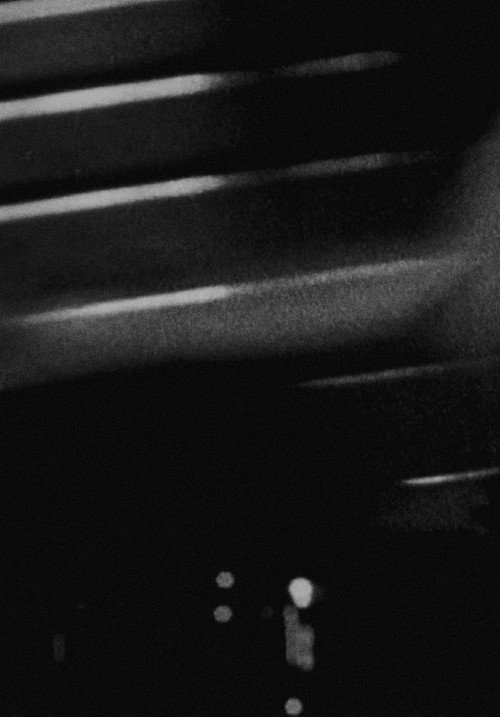
*Max* immerses viewers in a seven-minute collage of processed images and layered percussion, where raw performance footage is stripped down and reassembled into an abstract sensory experience. The film prioritizes rhythm and texture over narrative, offering a glimpse into the avant-garde collision of sound and image.
Who directed Max?
Phill Niblock directed *Max (1967)*, a filmmaker known for his pioneering work in experimental cinema and sound-based art installations.
Who stars in Max?
Cast details for *Max (1967)* are not publicly listed.
Is Max (1967) worth watching?
If you're drawn to experimental films that prioritize atmosphere and sensory overload over traditional storytelling, *Max* is absolutely worth your time. Its concise seven-minute runtime packs in a dense, immersive experience that lingers long after the credits roll. While it won't appeal to fans of plot-driven cinema, it's a fascinating artifact of 1960s avant-garde innovation.
How long is Max?
The runtime for *Max (1967)* is 7 minutes.
About Max (1967) — The Experimental Short Film You Didn't Know You Needed to See
Experience the hypnotic soundscapes and visual experimentation of *Max (1967)*, a short experimental film directed by Phill Niblock. This avant-garde piece weaves together layered percussion performances with heavily processed, rapidly shifting images, creating a sensory journey that blurs the line between music and visual art. The film immerses viewers in a pulsating rhythm of sound and image, where each frame feels like a fleeting glimpse into a fragmented dream. Niblock's signature approach transforms raw footage into a mesmerizing abstract composition, inviting audiences to lose themselves in its kinetic energy.
At just seven minutes long, *Max (1967)* is a compact yet intense exploration of texture and sound. The film's unconventional editing and relentless percussion create an atmosphere of controlled chaos, challenging conventional storytelling to instead focus on pure sensory experience. Whether you're a fan of experimental cinema or simply curious about the pioneers of visual sound art, this is a fascinating snapshot of 1960s avant-garde filmmaking at its most daring.
Dive into the world of Phill Niblock and discover why *Max* remains a cult favorite among cinephiles and sound artists alike.