An klingenden Ufern 1949
Nestled in the emotional crossroads of post-war Europe, *An klingenden Ufern* (1949) unfolds as a poignant drama directed by Hans Unterkircher, weaving together themes of healing, resilience, and the fragile balance between past and future.
Director: Hans Unterkircher
Cast


Frequently Asked Questions
What is An klingenden Ufern (1949) about?
*An klingenden Ufern* follows individuals in a post-war European village as they grapple with loss and the difficult path toward rebuilding. The story centers on personal struggles intertwined with the collective need for renewal, all set against the tranquil yet haunting beauty of riverside life.
Who directed An klingenden Ufern?
Hans Unterkircher directed *An klingenden Ufern* (1949), bringing a contemplative and atmospheric style to this post-war drama.
Who stars in An klingenden Ufern?
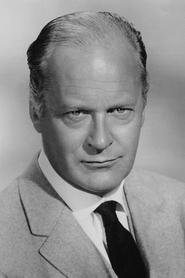
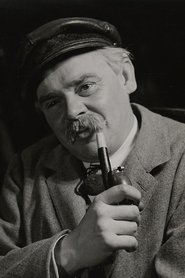
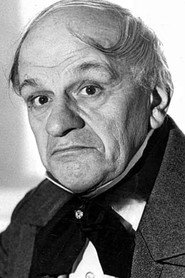
The film stars Marianne Schönauer, Curd Jürgens, Hans Unterkircher, Karl Skraup, and Hugo Gottschlich in key roles.
Is An klingenden Ufern (1949) worth watching?
While lacking an IMDb rating, *An klingenden Ufern* stands out for its emotional depth and Unterkircher's direction. Its focus on healing and human resilience makes it a compelling watch for fans of thoughtful post-war dramas, though availability may be limited.
How long is An klingenden Ufern?
Runtime details are not listed for *An klingenden Ufern* (1949).
About An klingenden Ufern (1949) — A Post-War Drama of Hope and Healing by the River
Nestled in the emotional crossroads of post-war Europe, *An klingenden Ufern* (1949) unfolds as a poignant drama directed by Hans Unterkircher, weaving together themes of healing, resilience, and the fragile balance between past and future. Set against a backdrop of quiet riverbanks and rustic village life, the film explores how individuals navigate grief and hope in the shadow of collective trauma. Marianne Schönauer and Curd Jürgens deliver powerful performances as characters struggling to reconcile their personal losses with the promise of renewal, while Unterkircher's deliberate pacing and atmospheric visuals create a mood that lingers long after the credits roll.
The story doesn't shy away from the raw edges of human emotion, instead embracing them as essential to the journey of rebuilding. Through intimate dialogue and deeply felt character arcs, *An klingenden Ufern* captures a moment in history where every note struck on those riverbanks feels like a tentative step toward harmony. Though rooted in the drama genre, its universal themes resonate far beyond its 1949 setting, offering a timeless reflection on the power of connection and the quiet strength found in unlikely places.