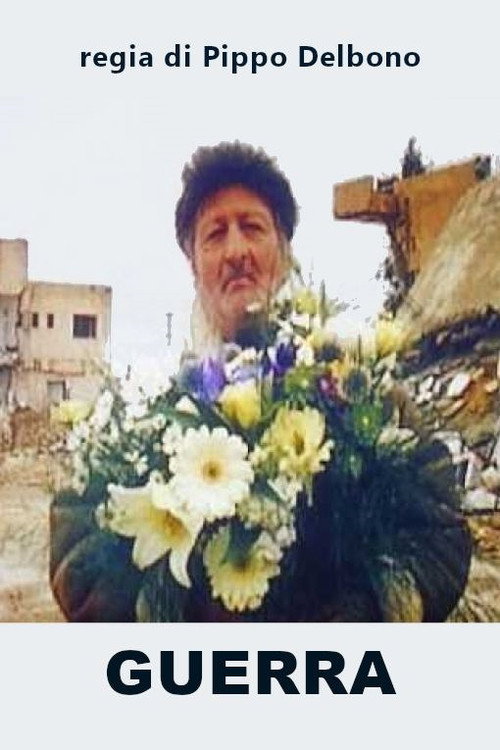
Guerra 2003
Guerra (2003), directed by visionary Pippo Delbono, unfolds as a raw, poetic confrontation with human conflict in all its forms.
Director: Pippo Delbono
Frequently Asked Questions
What is Guerra (2003) about?
Guerra (2003) is a fragmented, poetic documentary that explores human conflict through physical and emotional journeys in Jerusalem's Old City. It presents a collage of moments—some stark, others lyrical—where inner turmoil and global strife intertwine, captured through the gestures, words, and silences of its anonymous participants.
Who directed Guerra?
Guerra was directed by Pippo Delbono, an Italian filmmaker known for blending documentary realism with experimental storytelling to explore themes of identity, war, and human connection.
Who stars in Guerra?
The film features a cast of anonymous performers and real-life participants whose identities are not credited, reflecting its focus on universal human experiences rather than individual fame.
Is Guerra (2003) worth watching?
While Guerra isn't a mainstream documentary, its unflinching, poetic approach to conflict offers a unique and thought-provoking experience for fans of experimental, socially conscious cinema. Its intimate yet expansive themes make it a standout in the genre, even without a traditional narrative or named cast.
How long is Guerra?
Guerra (2003) runs for 62 minutes, offering a concise but impactful viewing experience that balances raw intensity with fleeting moments of reflection.
About Guerra (2003) — A Raw, Poetic Exploration of Inner and Outer Conflict
Guerra (2003), directed by visionary Pippo Delbono, unfolds as a raw, poetic confrontation with human conflict in all its forms. This documentary doesn't follow a traditional narrative or rely on named characters; instead, it paints a haunting portrait of inner turmoil mirrored in the chaotic streets of Jerusalem's Old City. Through fragmented imagery, physical performances, and haunting music, Delbono weaves a tapestry of emotions—some devastating, others strangely luminous—capturing universal struggles against violence, division, and the search for meaning. The film feels like a visceral diary, where every glance, gesture, and spoken word echoes the unspoken battles within us all.
Stripping away conventional storytelling, Guerra (2003) transforms documentary filmmaking into a visceral experience. It doesn't just observe conflict—it immerses the viewer in it, using the stage and city as backdrops for a meditation on war, both external and internal. The result is a deeply personal yet globally resonant work that challenges audiences to reflect on the borders we construct—between people, nations, and even selves. Delbono's approach is as unfiltered as it is poetic, blending chaos with fleeting moments of grace.