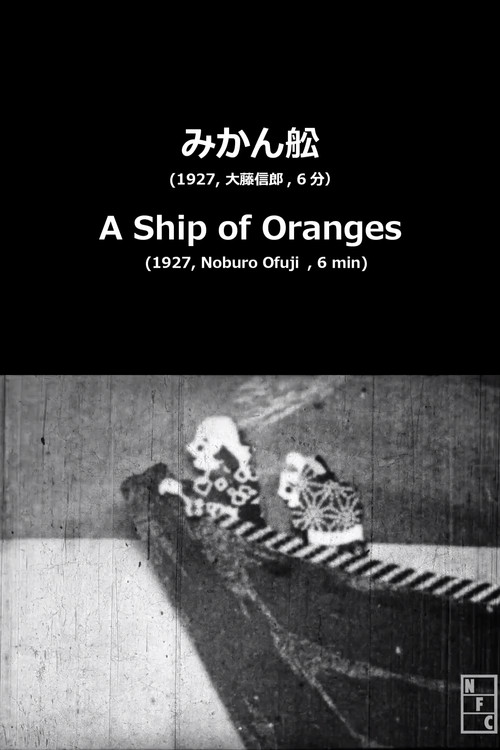
A Ship of Oranges 1927
Dive into the fascinating world of early Japanese animation with *A Ship of Oranges (1927)*, Noburô Ôfuji's eight-minute silent masterpiece that blends commerce and culture in feudal Japan.
Director: Noburô Ôfuji
Frequently Asked Questions
What is A Ship of Oranges (1927) about?
This animated short tells the story of a resourceful Japanese businessman in the Edo period who builds his fortune by transporting oranges from rural farms to the bustling capital. It's a tale of ambition, trade, and ingenuity set against the backdrop of feudal Japan.
Who directed A Ship of Oranges?
Noburô Ôfuji directed the film. A trailblazer of early Japanese animation, Ôfuji's work in stop-motion laid the groundwork for future generations of animators.
Who stars in A Ship of Oranges?
Cast details for *A Ship of Oranges* are not available, reflecting the limited records of early silent animated films.
Is A Ship of Oranges (1927) worth watching?
While it's a brief silent film, *A Ship of Oranges* offers a fascinating look at early animation and the historical trade culture of Edo-period Japan. Its unique style and concise storytelling make it a hidden gem for animation enthusiasts and historians alike.
How long is A Ship of Oranges?
The film runs for 8 minutes.
About A Ship of Oranges (1927) — The Pioneering Early Animation Adventure
Dive into the fascinating world of early Japanese animation with *A Ship of Oranges (1927)*, Noburô Ôfuji's eight-minute silent masterpiece that blends commerce and culture in feudal Japan. This animated short weaves a tale of ambition and ingenuity, following a shrewd merchant navigating the bustling trade routes between rural orange groves and the bustling capital of Edo. The film captures the vibrant atmosphere of 17th-century Japan, where commerce and tradition collide, all brought to life through Ôfuji's pioneering stop-motion animation techniques. With its rich historical context and playful storytelling, *A Ship of Oranges* offers a unique glimpse into both the era's entrepreneurial spirit and the dawn of Japanese animation as an art form.
Though modest in length, the film's themes of perseverance and innovation resonate powerfully. The director's delicate craftsmanship, paired with a subtle sense of humor, transforms a simple orange trade into a captivating narrative. The stark contrast between the serene countryside and the dynamic energy of Edo creates a visually striking backdrop for this historical tale, making it a standout example of early animation's potential.