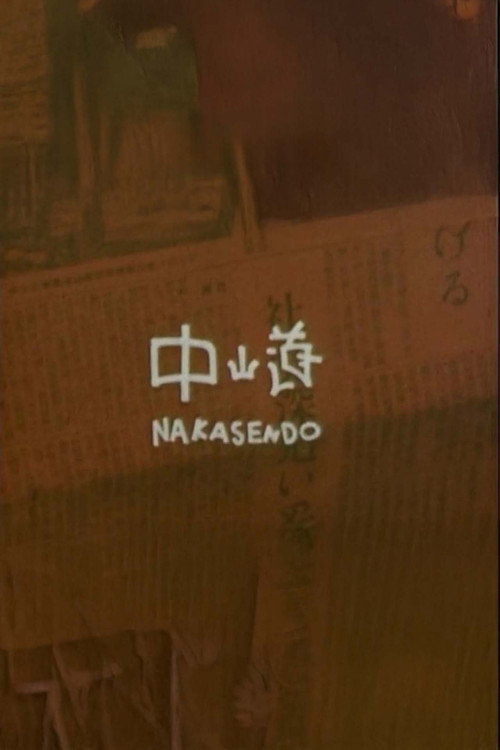
Nakasendo 1963
Nakasendo (1963) is an experimental documentary that offers a contemplative glimpse into rural Japan through the lens of director Nobuhiko Obayashi.
Director: Nobuhiko Obayashi
Frequently Asked Questions
What is Nakasendo (1963) about?
Nakasendo is an experimental documentary that presents a visual exploration of the Japanese countryside through edited footage. The film captures rural landscapes and traditional settings without conventional narrative, focusing instead on atmosphere and cultural heritage.
Who directed Nakasendo?
Nobuhiko Obayashi directed Nakasendo, marking one of his early experimental works before he became known for more mainstream films.
Who stars in Nakasendo?
Cast information for Nakasendo is not available as this experimental documentary focuses on landscape and atmosphere rather than individual performers.
Is Nakasendo (1963) worth watching?
As an experimental documentary, Nakasendo offers unique value for viewers interested in early Japanese avant-garde cinema and rural cultural documentation. The film's artistic approach may appeal to those seeking unconventional viewing experiences.
How long is Nakasendo?
Nakasendo has a runtime of 17 minutes.
About Nakasendo (1963) — Experimental Japanese Documentary Film
Nakasendo (1963) is an experimental documentary that offers a contemplative glimpse into rural Japan through the lens of director Nobuhiko Obayashi. This short film, running just 17 minutes, presents an artistic collage of the Japanese countryside, weaving together footage that captures the quiet beauty and timeless rhythms of traditional landscapes. The work stands as an early example of Obayashi's innovative approach to filmmaking, predating his more famous works while showcasing his experimental spirit.
The documentary genre allows Obayashi to explore themes of nature, tradition, and the passage of time through purely visual storytelling. Without conventional narrative structure, Nakasendo invites viewers to experience the meditative quality of rural life, where each frame becomes a window into Japan's cultural heritage. The atmospheric piece reflects the director's interest in pushing cinematic boundaries while maintaining an authentic connection to his homeland's natural beauty.
Though brief in runtime, this experimental work demonstrates Obayashi's emerging voice as a filmmaker willing to challenge traditional documentary formats. The film serves as both an artistic statement and a historical artifact, representing early 1960s Japanese experimental cinema at a time when the country's film industry was experiencing significant creative evolution.