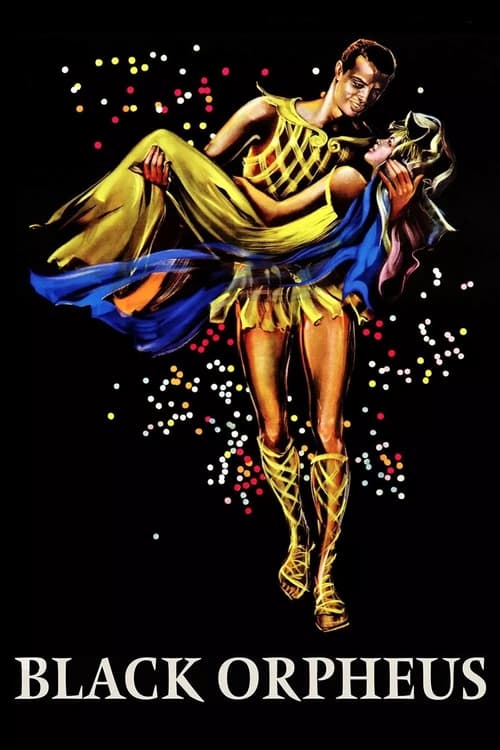
Black Orpheus 1959
"The film that introduced Bossa Nova to the world..."
Marcel Camus' 1959 masterpiece *Black Orpheus* (Orfeu Negro) transports the ancient Greek myth of Orpheus and Eurydice to the vibrant, sun-drenched streets of Rio de Janeiro during Carnival.
Director: Marcel Camus
Cast
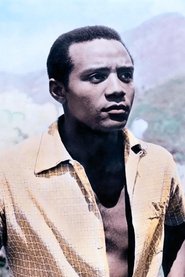
Breno Mello
Orfeo

Marpessa Dawn
Eurydice
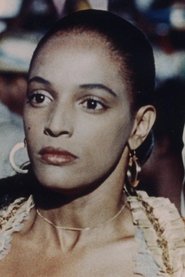
Lourdes de Oliveira
Mira

Léa Garcia
Serafina

Adhemar Ferreira da Silva
Death
Waldetar De Souza
Chico
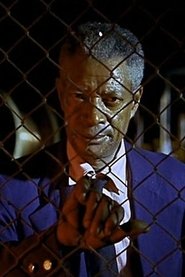
Alexandre Constantino
Hermes
Jorge Dos Santos
Benedito
Aurino Cassiano
Zeca
Maria Alice
Little Girl
Frequently Asked Questions
What is Black Orpheus (1959) about?
Set in Rio during Carnival, the film follows Orfeu, a tram conductor, and Eurydice, a woman haunted by a mysterious stalker. Their passionate romance unfolds against a backdrop of vibrant music, vivid colors, and the stark reality of their neighborhood, all while drawing parallels to the Greek myth of Orpheus and Eurydice.
Who directed Black Orpheus?
Marcel Camus directed *Black Orpheus*, crafting a visually arresting and musically rich adaptation of the Greek legend.
Who stars in Black Orpheus?
The lead roles are played by Breno Mello as Orfeu and Marpessa Dawn as Eurydice, supported by Lourdes de Oliveira, Léa Garcia, and Adhemar Ferreira da Silva.
Is Black Orpheus (1959) worth watching?
*Black Orpheus* is a cinematic treasure, praised for its groundbreaking bossa nova soundtrack, striking cinematography, and emotional depth. As both a Best Foreign Language Film Oscar winner and Palme d'Or recipient, it's a must-see for fans of romantic dramas and classic cinema alike.
How long is Black Orpheus?
The film runs for 100 minutes.
🎥 Trailer
About Black Orpheus (1959) — A Lush, Musical Retelling of a Timeless Myth
Marcel Camus' 1959 masterpiece *Black Orpheus* (Orfeu Negro) transports the ancient Greek myth of Orpheus and Eurydice to the vibrant, sun-drenched streets of Rio de Janeiro during Carnival. Against the pulsating rhythms of bossa nova—introduced globally for the first time—this visually stunning drama follows the doomed romance between Orfeu, a charismatic tram conductor, and Eurydice, a mysterious woman fleeing a sinister pursuer. The film masterfully blends dreamlike fantasy with raw realism, capturing the electric energy of favela life while weaving a timeless tale of love, fate, and the inescapable grip of mortality.
With its hypnotic score by Luiz Bonfá and Antônio Carlos Jobim, *Black Orpheus* became an instant cultural landmark, earning the Palme d'Or at Cannes and later the Academy Award for Best Foreign Language Film. The performances by Breno Mello and Marpessa Dawn infuse the story with heartbreaking urgency, making it a cinematic experience that lingers long after the final, bittersweet notes fade.