Julius Caesar, an Historical Tragedy 1908
Pioneering the silent era, *Julius Caesar, an Historical Tragedy* (1908) delivers a gripping adaptation of Shakespeare's timeless tale of ambition and betrayal. Directed by J.
Director: J. Stuart Blackton
Cast


Frequently Asked Questions
What is Julius Caesar, an Historical Tragedy (1908) about?
This short silent film retells Shakespeare's *Julius Caesar*, focusing on the political turmoil following the assassination of the Roman leader. It explores themes of power, honor, and treachery as conspirators manipulate events to seize control.
Who directed Julius Caesar, an Historical Tragedy?
The film was directed by J. Stuart Blackton, a pioneer of American cinema known for his innovative silent-era work.
Who stars in Julius Caesar, an Historical Tragedy?
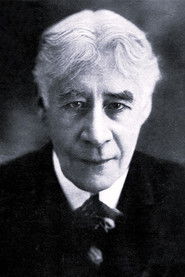
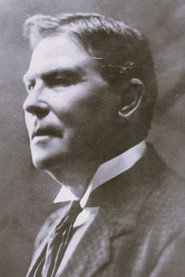
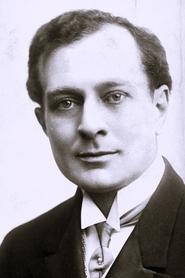
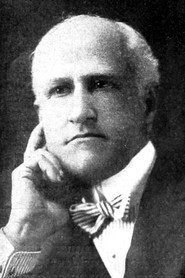
The cast features Charles Kent, Florence Lawrence, Maurice Costello, William Shea, and Paul Panzer in key roles.
Is Julius Caesar, an Historical Tragedy (1908) worth watching?
Though unrated, this historical drama offers a rare glimpse into early cinema's approach to Shakespeare. Its brevity and dramatic intensity make it a curious watch for silent film enthusiasts and Shakespeare fans alike.
How long is Julius Caesar, an Historical Tragedy?
The film runs for approximately 12 minutes.
🎥 Trailer
About Julius Caesar, an Historical Tragedy (1908) — Silent Era Shakespeare in 12 Minutes
Pioneering the silent era, *Julius Caesar, an Historical Tragedy* (1908) delivers a gripping adaptation of Shakespeare's timeless tale of ambition and betrayal. Directed by J. Stuart Blackton, this twelve-minute drama condenses the political intrigue of ancient Rome into a visually compelling short film, where loyalty clashes with power. With a stellar cast including Charles Kent, Florence Lawrence, and Maurice Costello, the movie captures the essence of Shakespeare's language and dramatic tension in a format accessible to early 20th-century audiences. The film's black-and-white cinematography enhances its historical atmosphere, immersing viewers in the conspiracies that surround Caesar's rise and fall.
This adaptation stands as a fascinating artifact of cinematic history, offering a glimpse into how silent films interpreted classic literature. As one of the earliest known screen versions of *Julius Caesar*, it blends drama and history into a fast-paced narrative that remains compelling even by modern standards. The stark contrasts between light and shadow mirror the moral complexities of its characters, from Brutus' tragic dilemma to the ruthless machinations of Cassius.