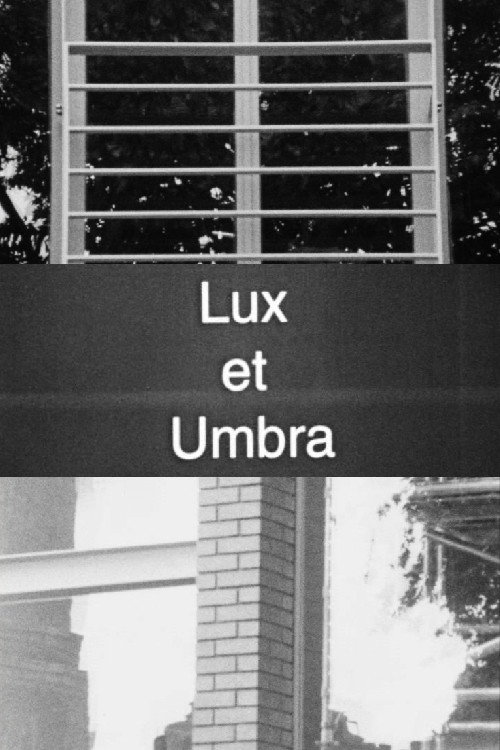
Lux et Umbra 1999
Dive into the hypnotic world of *Lux et Umbra (1999)*, Nicky Hamlyn's avant-garde experimental short that distills light and shadow into a mesmerizing two-minute visual journey.
Director: Nicky Hamlyn
Frequently Asked Questions
What is Lux et Umbra (1999) about?
This experimental short film by Nicky Hamlyn transforms light and darkness into a poetic visual dialogue, stripping away conventional storytelling to focus on texture, contrast, and the fleeting nature of perception. It's less a narrative and more an immersive mood piece that lingers in the mind long after it fades.
Who directed Lux et Umbra?
Nicky Hamlyn, a filmmaker known for his innovative experimental work, directed *Lux et Umbra* in 1999. His approach often blends visual artistry with abstract storytelling, pushing the boundaries of traditional cinema.
Who stars in Lux et Umbra?
Cast details for *Lux et Umbra* are not publicly available, as it is an abstract short film focused on visuals rather than performers.
Is Lux et Umbra (1999) worth watching?
While *Lux et Umbra* is an unrated, ultra-short experimental film, its hypnotic visuals and atmospheric depth make it a compelling watch for fans of avant-garde cinema. Its brevity and abstract nature may not appeal to everyone, but it offers a unique, thought-provoking experience in under two minutes.
How long is Lux et Umbra?
*Lux et Umbra* has a runtime of 2 minutes.
About Lux et Umbra (1999) — A Hypnotic Two-Minute Experiment in Light and Shadow
Dive into the hypnotic world of *Lux et Umbra (1999)*, Nicky Hamlyn's avant-garde experimental short that distills light and shadow into a mesmerizing two-minute visual journey. This abstract cinematic piece doesn't rely on conventional storytelling; instead, it manipulates contrast, texture, and movement to explore the interplay between illumination and obscurity. The film's stark yet fluid compositions evoke a dreamlike quality, inviting viewers to interpret its fleeting imagery as a meditation on perception, time, and the ephemeral nature of existence. Operating in a liminal space between cinema and fine art, *Lux et Umbra* challenges audiences to engage with its enigmatic visuals on an intuitive level, leaving room for personal reflection.
Though brief, the film's impact lingers, showcasing Hamlyn's mastery of experimental techniques. By stripping away narrative and dialogue, it becomes a pure exercise in mood and atmosphere, where light dances across surfaces and shadows tell their own silent stories. The absence of a clear plot allows the viewer's imagination to roam freely, making each viewing a unique experience. Whether you're a fan of experimental cinema or simply curious about how visuals can evoke emotion without words, *Lux et Umbra (1999)* offers a concise yet profound glimpse into the boundaries of the medium.