Four Toronto Films 2007
Nicky Hamlyn's experimental short *Four Toronto Films* (2007) immerses viewers in a minimalist visual journey where static shots and shifting shadows take center stage.
Director: Nicky Hamlyn
Frequently Asked Questions
What is Four Toronto Films (2007) about?
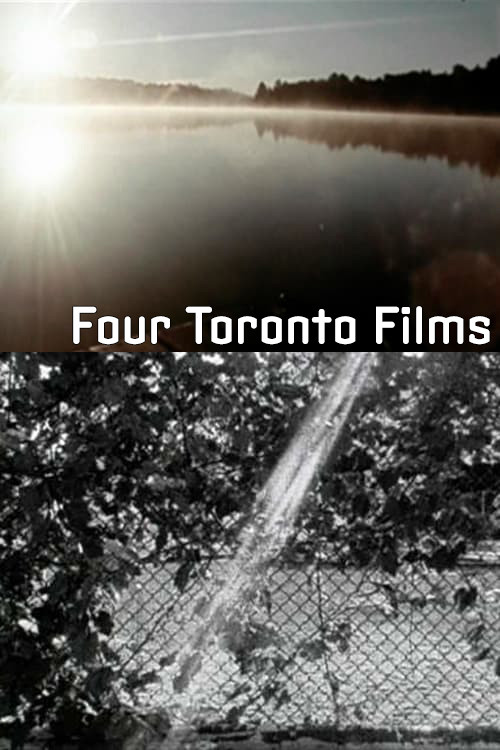
This experimental short by Nicky Hamlyn transforms static urban landscapes into a canvas of light and shadow, using a tripod-mounted camera to capture the interplay between objects and their cinematic representation. Everyday scenes—like reflections on water or wall textures—become the building blocks of an abstract visual narrative.
Who directed Four Toronto Films?
Nicky Hamlyn is the director behind *Four Toronto Films*. Known for his experimental approach, Hamlyn often explores themes of perception and abstraction through minimalist cinematography.
Who stars in Four Toronto Films?
Cast details for *Four Toronto Films* are not publicly listed.
Is Four Toronto Films (2007) worth watching?
While niche and unrated, *Four Toronto Films* offers a unique, meditative experience for fans of experimental cinema. Its 16-minute runtime and focus on visual abstraction make it a thought-provoking pick for those seeking something outside conventional storytelling.
How long is Four Toronto Films?
The runtime for *Four Toronto Films* is 16 minutes.
About Four Toronto Films (2007) — A Minimalist Shadow Play in Experimental Cinema
Nicky Hamlyn's experimental short *Four Toronto Films* (2007) immerses viewers in a minimalist visual journey where static shots and shifting shadows take center stage. The film explores the direct relationship between physical objects and the mechanical processes that translate them into moving images, revealing how shadows—cast from everyday elements like windows, clouds reflecting in a lake, or the textures of walls—become the raw material for cinematic creation. Through the lens of a tripod-mounted camera, Hamlyn crafts a meditative study of light, motion, and perception, stripping away narrative in favor of pure visual poetry.
This avant-garde piece unfolds over 16 minutes of quiet contemplation, where the camera's rigid framing contrasts with the fluid, ephemeral dance of shadows. By isolating these fleeting interactions, Hamlyn invites audiences to reconsider the ordinary as extraordinary, turning mundane environments into a canvas for abstract storytelling. The result is a hypnotic, almost meditative experience that challenges conventional filmmaking while celebrating the raw beauty of analog image-making.