Hamburg Lectures 2006
Romuald Karmakar's *Hamburg Lectures* (2006) immerses viewers in a gripping documentary experience through Manfred Zapatka's chilling, unfiltered recitation of two sermons delivered by Hamburg mosque imam Mohammed Fazazi in January 2000.
Director: Romuald Karmakar
Cast
Frequently Asked Questions
What is Hamburg Lectures (2006) about?
*Hamburg Lectures* presents Manfred Zapatka's verbatim recital of two sermons delivered by imam Mohammed Fazazi in a Hamburg mosque in 2000. The documentary strips away narration to focus on the raw, unsettling power of Fazazi's oratory, exploring how language can radicalize and manipulate. It's less about the imam himself and more about the echo of his words in a post-9/11 world.
Who directed Hamburg Lectures?
Hamburg Lectures was directed by Romuald Karmakar, a filmmaker known for his incisive and provocative documentaries that dissect sociopolitical themes with precision.
Who stars in Hamburg Lectures?
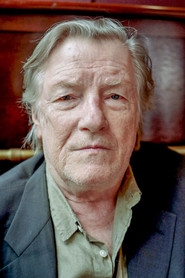
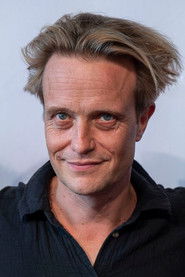
The documentary features German actor Manfred Zapatka, who delivers the sermons with unsettling intensity, alongside actor August Diehl in a supporting role that adds depth to the production.
Is Hamburg Lectures (2006) worth watching?
While *Hamburg Lectures* isn't a conventional drama, it offers a stark, thought-provoking experience for those interested in the intersection of religion, rhetoric, and radicalization. It's a niche documentary that rewards viewers seeking insight into extremist ideologies, though its uncompromising style may not appeal to everyone.
How long is Hamburg Lectures?
Hamburg Lectures runs for 133 minutes, providing ample time to fully absorb the weight of its content.
Hamburg Lectures (2006) — A Chilling Documentary on Ideology and Words
Romuald Karmakar's *Hamburg Lectures* (2006) immerses viewers in a gripping documentary experience through Manfred Zapatka's chilling, unfiltered recitation of two sermons delivered by Hamburg mosque imam Mohammed Fazazi in January 2000. Shot with stark precision, the film strips away context to focus solely on the raw power of Fazazi's words, delivered with unsettling conviction by Zapatka in a vacant, echoing space. The documentary doesn't just chronicle past events—it forces audiences to confront the unsettling resonance of extremist rhetoric and the thin line between ideological fervor and manipulation. As Zapatka's measured cadence fills the silence, the film becomes a haunting meditation on the potency of spoken words in shaping narratives, preying on fears, and radicalizing minds.
Against the backdrop of a Germany grappling with its relationship to Islam, *Hamburg Lectures* transcends mere historical documentation. The documentary lingers on the emotional and psychological weight of Fazazi's sermons, revealing how language can weaponize faith and community. With August Diehl's presence lending subtle tension to the production, Karmakar crafts a work that's as much about performance as it is about documentary integrity—inviting viewers to question their own complicity in absorbing, or dismissing, the messages it presents. It's a film that demands attention, not just for its content, but for its unflinching approach to confronting uncomfortable truths.