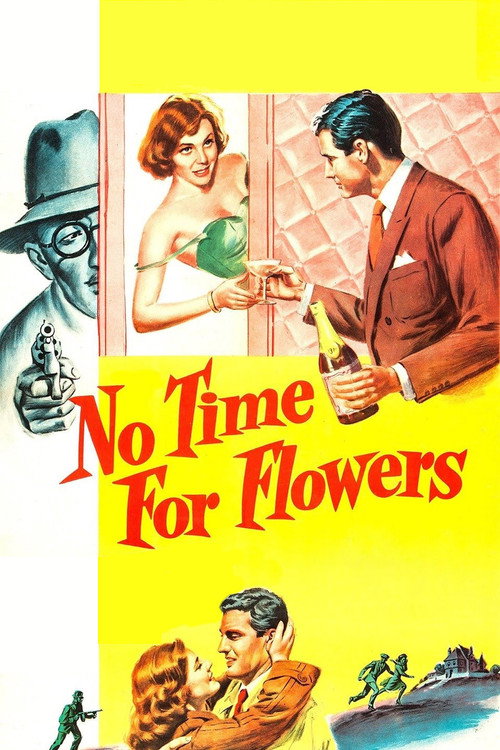
No Time for Flowers 1952
"Kisses and Champagne Behind the Iron Curtain!"
In the heart of Cold War-era Prague, a spirited young woman's unwavering devotion to the Communist Party is thrown into turmoil when she finds herself drawn to an American attaché.
Director: Don Siegel
Cast

Frequently Asked Questions
What is No Time for Flowers (1952) about?
Set in Prague during the tense Cold War era, the film follows a young woman's emotional journey as her rigid loyalty to the Communist Party is challenged by an unexpected romance with an American diplomat. It's a story of political conflict and personal awakening wrapped in romantic charm.
Who directed No Time for Flowers?
Don Siegel, known for his sharp, engaging films, directed *No Time for Flowers*. He brought a distinctive blend of wit and tension to this Cold War-era romance.
Who stars in No Time for Flowers?
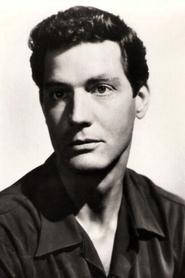
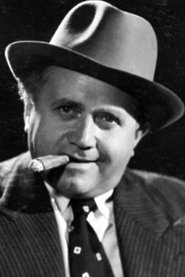
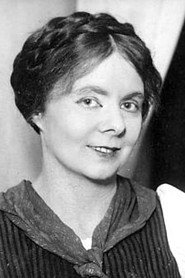
The film features Viveca Lindfors as the lead, supported by Paul Hubschmid as the American attaché, alongside Ludwig Stössel, Adrienne Gessner, and Peter Preses in key roles.
Is No Time for Flowers (1952) worth watching?
With its blend of romance, political intrigue, and Siegel's deft direction, *No Time for Flowers* offers a unique glimpse into Cold War-era storytelling. While not as widely known today, its charm and historical context make it a hidden gem worth discovering for fans of classic cinema.
How long is No Time for Flowers?
The film runs for 83 minutes, a compact runtime that keeps the story brisk and engaging.
About No Time for Flowers (1952) — Cold War Comedy Romance with Viveca Lindfors
In the heart of Cold War-era Prague, a spirited young woman's unwavering devotion to the Communist Party is thrown into turmoil when she finds herself drawn to an American attaché. *No Time for Flowers (1952)*, directed by the masterful Don Siegel, blends sharp political tensions with a delightful romantic undercurrent. Viveca Lindfors shines as the conflicted protagonist, while Paul Hubschmid brings charm and intrigue to his role as the foreign diplomat. This 1952 gem is a sparkling cocktail of wit and tension, where champagne bubbles collide with ideological clashes in a setting ripe with Cold War anxiety.
The film navigates the awkward dance between personal desire and political loyalty, wrapped in the glossy veneer of a romantic comedy. Siegel's direction infuses the story with a lighthearted yet poignant tone, making it as thought-provoking as it is entertaining. With its vivid depiction of Prague's cultural landscape and a central romance that defies borders, *No Time for Flowers* remains a fascinating snapshot of a bygone era.