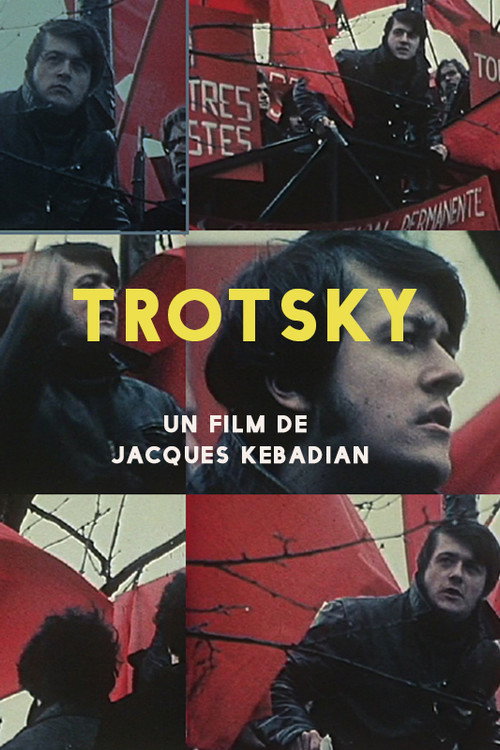
Trotsky 1967
Jacques Kébadian's *Trotsky* (1967) is a concise yet powerful dive into the life of one of the revolution's most compelling figures.
Director: Jacques Kébadian
Cast
Frequently Asked Questions
What is *Trotsky* (1967) about?
This short but impactful film traces the life of Leon Trotsky, a key architect of the 1917 Russian Revolution. It explores his intellectual leadership, revolutionary zeal, and the ideological battles that defined an era of global change.
Who directed *Trotsky*?
Jacques Kébadian is the director behind *Trotsky* (1967), bringing a sharp historical lens to the revolutionary narrative.
Who stars in *Trotsky*?
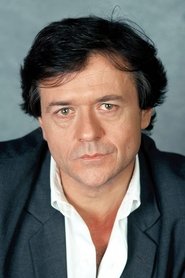
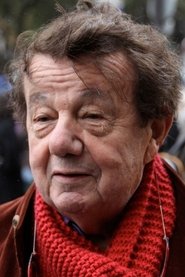
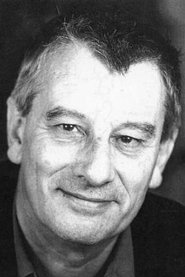
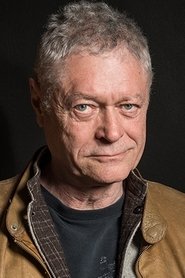
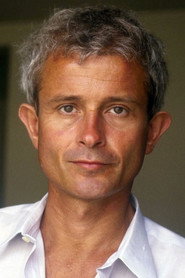
The film features Patrice Chéreau, Marcel Maréchal, Marcel Bozonnet, Michel Andrieu, and Walter Bal, each embodying the revolutionary spirit of the time.
Is *Trotsky* (1967) worth watching?
While its runtime is brief, *Trotsky* offers a compelling snapshot of a pivotal figure in history. Its historical depth and cinematic style make it a rewarding watch for fans of political dramas and revolutionary narratives.
How long is *Trotsky*?
The film runs for 50 minutes.
About Trotsky (1967) — A Revolutionary's Story Captured in 50 Minutes of Cinematic Brilliance
Jacques Kébadian's *Trotsky* (1967) is a concise yet powerful dive into the life of one of the revolution's most compelling figures. Set against the backdrop of 1917's seismic political upheaval, the film captures the intellectual intensity and revolutionary fervor of Leon Trotsky alongside Lenin. Through sharp dialogue and immersive storytelling, the director paints a portrait of a man who shaped history with unyielding conviction. The black-and-white cinematography heightens the stark contrasts of power, ideology, and human ambition, making this a standout entry in historical cinema.
Patrice Chéreau and Marcel Maréchal lead a cast that breathes life into the revolutionary era, embodying the ideological conflicts and personal sacrifices of the time. As a genre-defining piece of historical cinema, *Trotsky* (1967) transcends mere biographical recounting, offering viewers a visceral sense of the era's tumultuous energy. Whether you're drawn to its political themes or its cinematic craftsmanship, this film delivers a gripping exploration of revolution's human cost.