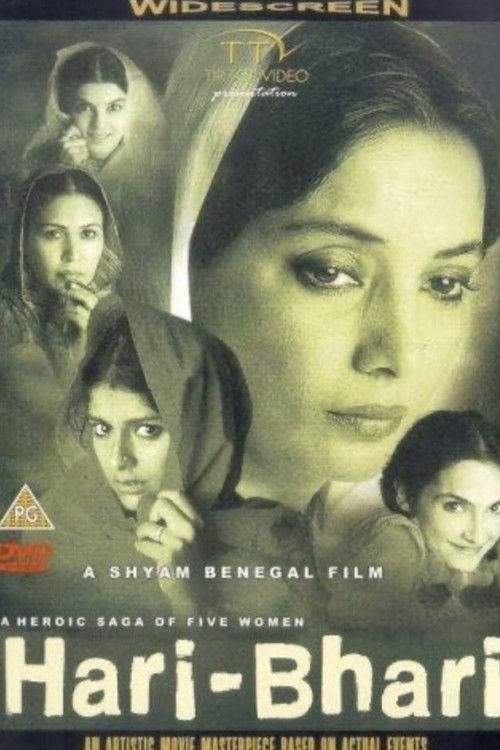
Hari-Bhari 2000
Hari-Bhari (2000), directed by the acclaimed Shyam Benegal, dives deep into the heart of a traditional Muslim family in Hyderabad as they grapple with the tension between age-old customs and the pressing demands of modernity.
Director: Shyam Benegal
Cast





Frequently Asked Questions
What is Hari-Bhari (2000) about?
Hari-Bhari (2000) follows a Hyderabad-based Muslim family caught in a quiet but profound struggle over family planning and changing values. As generational divides widen, the film delicately examines the personal and cultural conflicts that arise when modern ideals clash with tradition.
Who directed Hari-Bhari?
Hari-Bhari was directed by Shyam Benegal, a celebrated filmmaker known for his socially conscious cinema that blends realism with emotional depth.
Who stars in Hari-Bhari?
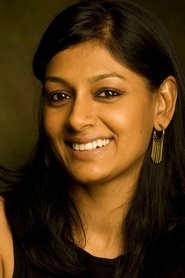
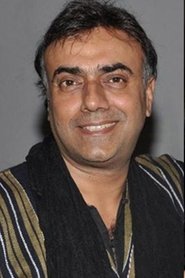
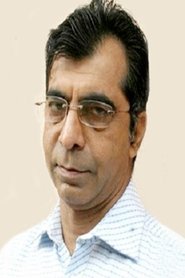
Hari-Bhari features an outstanding cast including Shabana Azmi, Rajeshwari Sachdev, Nandita Das, Surekha Sikri, and Rajit Kapoor in pivotal roles.
Is Hari-Bhari (2000) worth watching?
With its strong ensemble cast, thoughtful direction, and timely themes, Hari-Bhari (2000) offers a compelling viewing experience for fans of family dramas. While not widely rated, its depth and relevance make it a thought-provoking choice for viewers interested in societal change through cinema.
How long is Hari-Bhari?
Hari-Bhari has a runtime of 134 minutes.
Hari-Bhari (2000): Family Drama That Challenges Tradition — Full Movie Info
Hari-Bhari (2000), directed by the acclaimed Shyam Benegal, dives deep into the heart of a traditional Muslim family in Hyderabad as they grapple with the tension between age-old customs and the pressing demands of modernity.
Shabana Azmi leads a powerhouse ensemble cast, including Rajeshwari Sachdev, Nandita Das, and Surekha Sikri, in this poignant drama that explores the intimate and often controversial topic of family planning. Through Benegal's sensitive lens, the film captures the emotional weight of navigating societal expectations while questioning what it means to build a future on one's own terms.