
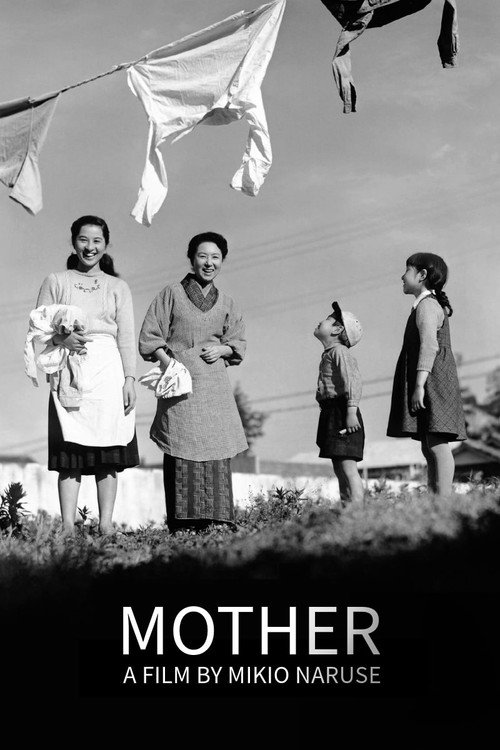
Mother 1952
In "Mother (1952)", Mikio Naruse crafts a tender yet poignant drama that explores the quiet struggles of a widowed mother and her teenage daughter trying to keep their family afloat in post-war Japan.
Director: Mikio Naruse
Cast
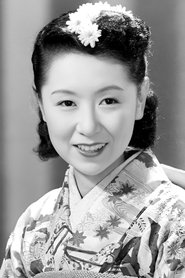
Kinuyo Tanaka
Masako Fukuhara
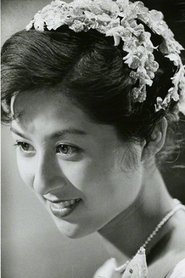
Kyōko Kagawa
Toshiko Fukuhara
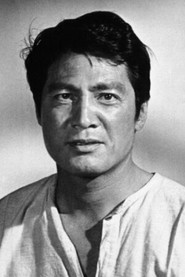
Eiji Okada
Shinjiro Hirai

Akihiko Katayama
Susumu Fukuhara
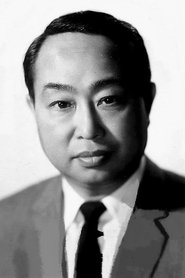
Daisuke Katō
Sokichi Kimura

Yōnosuke Toba
Naosuke Fukuhara
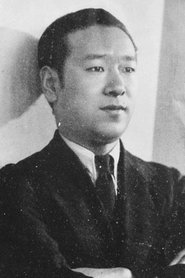
Masao Mishima
Ryosuke Fukuhara

Chieko Nakakita
Noriko Kurihara
Eiko Miyoshi
Grandmother
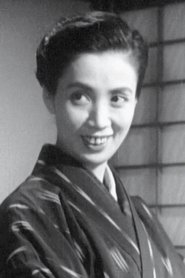
Atsuko Ichinomiya
Koyo Fukuhara
Frequently Asked Questions
What is Mother (1952) about?
The film follows a widowed mother and her teenage daughter as they navigate economic hardship while trying to hold their family together. It's a quiet but powerful story about love, sacrifice, and the bonds that define family in post-war Japan.
Who directed Mother?
Mother was directed by Mikio Naruse, a master of Japanese drama known for his sensitive portrayals of women navigating societal and economic challenges.
Who stars in Mother?
The film stars Kinuyo Tanaka as the mother, Kyōko Kagawa as her daughter, and features Eiji Okada, Akihiko Katayama, and Daisuke Katō in key supporting roles.
Is Mother (1952) worth watching?
Despite its age, Mother remains a deeply moving drama with universal themes. Naruse's direction and Tanaka's performance elevate it beyond its simple plot, making it a worthwhile watch for fans of character-driven films.
How long is Mother?
Mother runs for 98 minutes, offering a concise yet impactful cinematic experience.
About Mother (1952) — A tender drama of sacrifice and family bonds
In "Mother (1952)", Mikio Naruse crafts a tender yet poignant drama that explores the quiet struggles of a widowed mother and her teenage daughter trying to keep their family afloat in post-war Japan. Kinuyo Tanaka delivers a heartbreaking performance as the resilient mother, whose sacrifices for her family unfold against a backdrop of economic hardship and societal expectations. The film's restrained yet deeply emotional tone captures the tension between love and responsibility, blending everyday struggles with universal themes of sacrifice and endurance.
Kyōko Kagawa shines as the observant daughter, whose perspective frames the narrative's emotional weight. Through Naruse's subtle direction, the film transforms an intimate family story into a reflective meditation on motherhood, resilience, and the unspoken bonds that hold families together during difficult times.