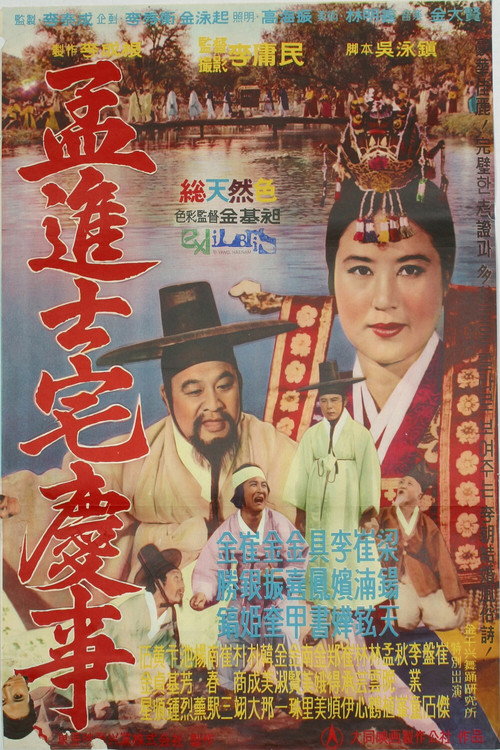
A Happy Day of Jinsa Maeng 1962
In 1962's *A Happy Day of Jinsa Maeng*, director Lee Yong-min crafts a delightful blend of historical charm and social satire that unfolds against the backdrop of Joseon-era Korea.
Director: Lee Yong-min
Cast
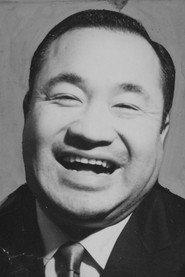
Kim Seung-ho
Maengjinsa
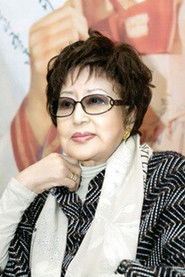
Choi Eun-hee
Ipbun
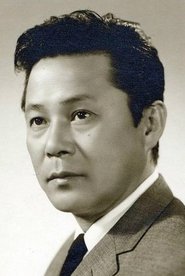
Kim Jin-kyu
Mi-eon Kim (son of Pan-seo Kim)
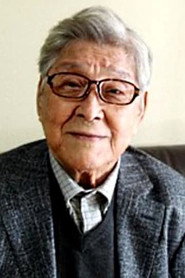
Ku Bong-seo
Samdol
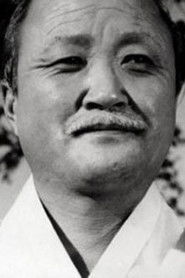
Kim Hee-kap
Blind old man
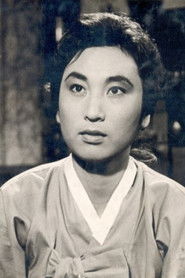
Lee Bin-hwa
Gabbun (Daughter of Jinsa Maeng)
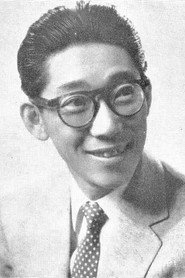
Seok-cheon Yang
Park Cham-bong
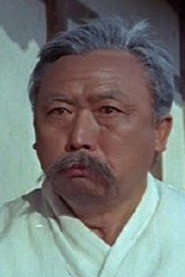
Choi Nam-hyun
Kim Myung-jung
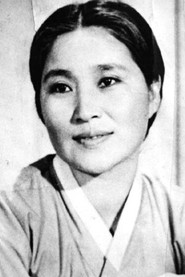
Hwang Jeong-sun
Nurse
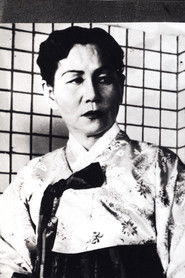
Seok Geum-seong
Mr. Han (Maeng Jin-sa's wife)
Frequently Asked Questions
What is *A Happy Day of Jinsa Maeng* (1962) about?
This 1962 Korean comedy-drama follows Jinsa Maeng, a man whose daughter is betrothed to a nobleman's son—until he hears a rumor that the groom is lame. Refusing to accept the match, Maeng devises a clever (and hilarious) scheme: he sends his quick-witted maid to stand in for his daughter at the wedding. What unfolds is a sharp satire of pride, class, and the absurdity of societal expectations.
Who directed *A Happy Day of Jinsa Maeng*?
The film was directed by Lee Yong-min, a filmmaker known for blending historical settings with comedic and dramatic elements.
Who stars in *A Happy Day of Jinsa Maeng*?
The film features legendary Korean actors Kim Seung-ho and Choi Eun-hee, alongside Kim Jin-kyu, and Ku Bong-seo in pivotal roles.
Is *A Happy Day of Jinsa Maeng* (1962) worth watching?
While it doesn't have an IMDb rating for reference, *A Happy Day of Jinsa Maeng* is a charming throwback to classic Korean cinema, offering a mix of humor, heart, and historical intrigue. Its clever plot and strong performances make it a rewarding watch for fans of vintage comedies and period dramas alike.
How long is *A Happy Day of Jinsa Maeng*?
The film has a runtime of 124 minutes.
About A Happy Day of Jinsa Maeng (1962) — A Classic Korean Comedy-Drama Full of Twists
In 1962's *A Happy Day of Jinsa Maeng*, director Lee Yong-min crafts a delightful blend of historical charm and social satire that unfolds against the backdrop of Joseon-era Korea. At its heart is a deceptively simple premise: when a proud father, Jinsa Maeng, believes his daughter's fiancé is lame, he hatches an audacious plan to send his clever maid in her place. What begins as a comedic misunderstanding spirals into a witty commentary on class, honor, and the absurdity of pride itself. The film balances sharp dialogue with warm character moments, offering a rare window into Korean history through a lens that's both humorous and human. Kim Seung-ho's commanding presence anchors the story, while Choi Eun-hee and Kim Jin-kyu deliver performances that oscillate between farce and poignant reflection.
The movie's greatest strength lies in its ability to turn a far-fetched scenario into a relatable meditation on societal pressures and the lengths people go to save face. With its vibrant period details and lighthearted yet incisive tone, *A Happy Day of Jinsa Maeng* (1962) remains a standout title for fans of classic Korean cinema. Whether you're drawn to its historical setting or its timeless themes, this underrated gem is a reminder that even the most trivial of conflicts can reveal deeper truths.