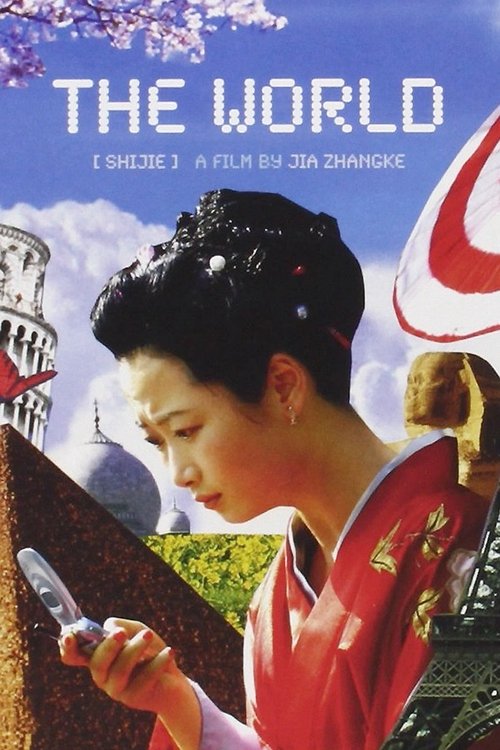
The World 2004
Jia Zhangke's *The World (2004)* unfolds in Beijing World Park, a surreal theme park where global landmarks are recreated in miniature, blurring the lines between reality and illusion.
Director: Jia Zhangke
Cast

Zhao Tao
Tao
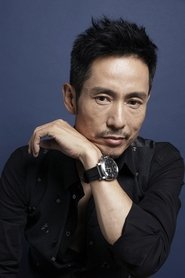
Cheng Taishen
Taisheng
Jue Jing
Wei
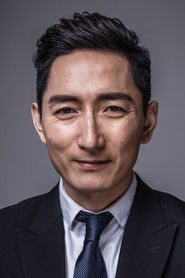
Jiang Zhongwei
Niu
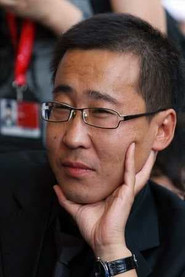
Wang Hongwei
Sanlai

Liang Jingdong
Tao's Ex-boyfriend
Huang Yiqun
Qun

Shuai Ji
Erxiao
Wan Xiang
Youyou
Alla Shcherbakova
Anna
Frequently Asked Questions
What is The World (2004) about?
*The World (2004)* delves into the life of a Beijing World Park security guard who abandons his dancer girlfriend for another woman, while the park's global replicas symbolize the emptiness of modern relationships. The film contrasts the grandeur of international landmarks with the intimate struggles of its characters.
Who directed The World?
Jia Zhangke, the acclaimed Chinese director, helms *The World (2004)*, known for his raw, socially conscious storytelling.
Who stars in The World?
Zhao Tao, Cheng Taishen, Jiang Zhongwei, Wang Hongwei, and Liang Jingdong headline the cast of *The World (2004)*.
Is The World (2004) worth watching?
While not widely rated on IMDb, *The World (2004)* is praised for its atmospheric storytelling and social commentary, making it a compelling watch for fans of slow-burn dramas and Jia Zhangke's filmography.
How long is The World?
*The World (2004)* runs for 140 minutes.
🎥 Trailer
About The World (2004) — Jia Zhangke's Melancholic Masterpiece
Jia Zhangke's *The World (2004)* unfolds in Beijing World Park, a surreal theme park where global landmarks are recreated in miniature, blurring the lines between reality and illusion. The film follows a security guard whose mundane routine is disrupted when he abandons his dancer girlfriend for another woman, exploring themes of detachment, longing, and the hollow promises of modern urban life. With a detached, observational style, Zhangke paints a melancholic portrait of a society grappling with identity and disconnection.
Starring Zhao Tao as the betrayed dancer and Cheng Taishen as the conflicted guard, *The World (2004)* is a slow-burn drama that critics praise for its atmospheric depth and social commentary. The movie's stark visuals and emotional restraint make it a standout in contemporary Chinese cinema, offering a biting critique of globalization's superficial allure.