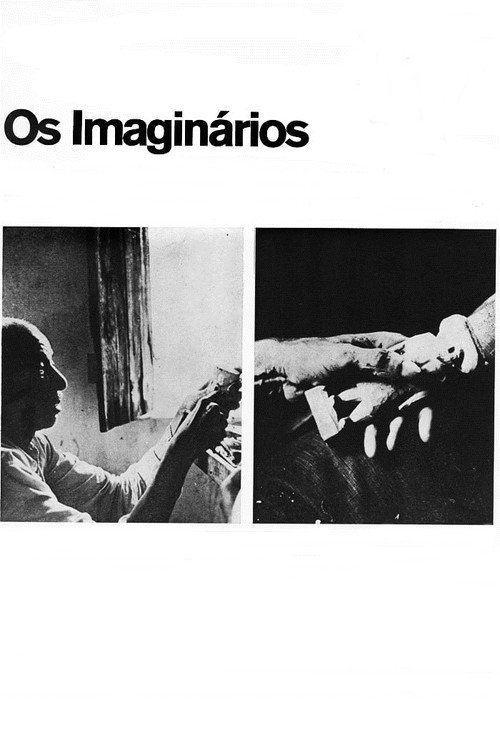
Os Imaginários 1970
Dive into the heart of Brazilian folk art with *Os Imaginários* (1970), Geraldo Sarno's evocative documentary that explores the craftsmanship behind the iconic religious and cultural figures of the Northeast.
Director: Geraldo Sarno
Cast

Frequently Asked Questions
What is *Os Imaginários* (1970) about?
This short documentary delves into the world of Northeastern Brazilian artisans who carve wooden religious and cultural figures. It examines how their craft, tied to local traditions, evolves to meet the demands of tourism and changing cultural tastes, while questioning the deeper significance of their work.
Who directed *Os Imaginários*?
The film was directed by Geraldo Sarno, a Brazilian filmmaker known for his documentary work that highlights cultural and social themes.
Who stars in *Os Imaginários*?
The documentary features Othon Bastos, a prominent Brazilian actor and narratorial voice, alongside artisans from the Northeast region.
Is *Os Imaginários* (1970) worth watching?
While *Os Imaginários* is a short film with no IMDb rating, its exploration of Brazilian folk art and cultural evolution makes it a fascinating watch for fans of documentaries. Its themes of tradition, craftsmanship, and adaptation resonate with anyone interested in the intersection of art and society.
How long is *Os Imaginários*?
The runtime is 9 minutes.
About Os Imaginários (1970) — Geraldo Sarno's documentary on Brazilian folk art and cultural evolution
Dive into the heart of Brazilian folk art with *Os Imaginários* (1970), Geraldo Sarno's evocative documentary that explores the craftsmanship behind the iconic religious and cultural figures of the Northeast.
The film follows artisans as they carve wooden sculptures, breathing life into figures that embody the spirit of traditional Brazilian iconography. Through their skilled hands, these artists preserve a heritage that blends faith, culture, and commerce, adapting their craft to modern demands while reflecting on the deeper meaning behind their creations. Sarno's lens captures the tension between tradition and innovation, revealing how these figures—once sacred symbols—now serve both spiritual devotion and tourist fascination.