Now 1973
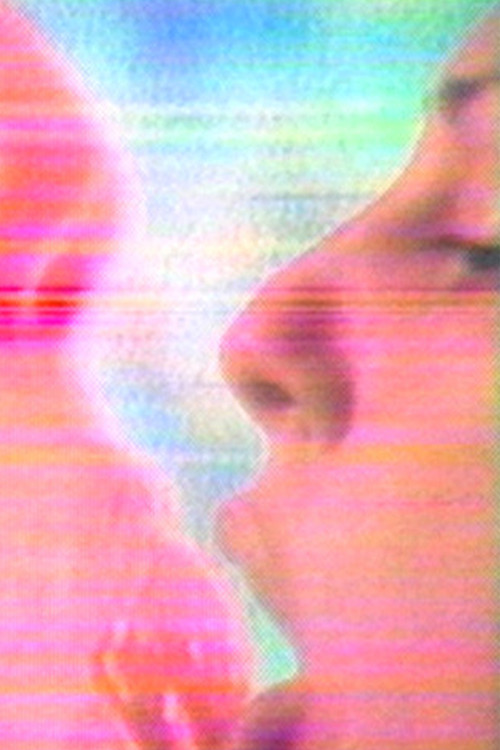
Lynda Benglis's experimental short *Now* (1973) dives into the blurred lines between live action and recorded reality, challenging what we accept as 'authentic' in visual media.
Director: Lynda Benglis
Cast
Frequently Asked Questions
What is Now (1973) about?
*Now* examines the deceptive nature of video as a medium, using repeated performances and distorted colors to blur the line between 'live' and 'mediated' reality. The film's structure and commands like 'now!' playfully undermine expectations of authenticity, creating a disorienting yet fascinating experience.
Who directed Now?
Lynda Benglis, a pioneering figure in experimental film and contemporary art, directed *Now*.
Who stars in Now?
The film stars Lynda Benglis herself, who appears both as performer and creator.
Is Now (1973) worth watching?
Though unrated, *Now* is a cult favorite among experimental film enthusiasts for its bold visual style and conceptual depth. Its 12-minute runtime makes it an accessible entry point into avant-garde cinema, especially for viewers intrigued by themes of perception and media manipulation.
How long is Now?
The runtime of *Now* is 12 minutes.
About Now (1973) — A hypnotic exploration of live versus recorded reality by Lynda Benglis
Lynda Benglis's experimental short *Now* (1973) dives into the blurred lines between live action and recorded reality, challenging what we accept as 'authentic' in visual media. Through layered performances and glitch-like color distortions, Benglis plays with the tension between presence and mediation, using commands like 'now!' and 'start recording' to disorient the viewer. The 12-minute documentary feels like a meditation on time itself, where repetition and artificial hues strip away the clarity of video's supposed 'liveness'. It's a hypnotic, almost confrontational piece that forces audiences to question how much we trust what we see.
A cornerstone of 1970s avant-garde filmmaking, *Now* remains a provocative experiment in perception. Benglis's own presence—both as performer and behind the camera—creates a recursive loop that feels unsettling yet mesmerizing. The film's raw energy and visual distortion evoke a fever dream of immediacy, leaving viewers unsure where the 'now' begins or ends.