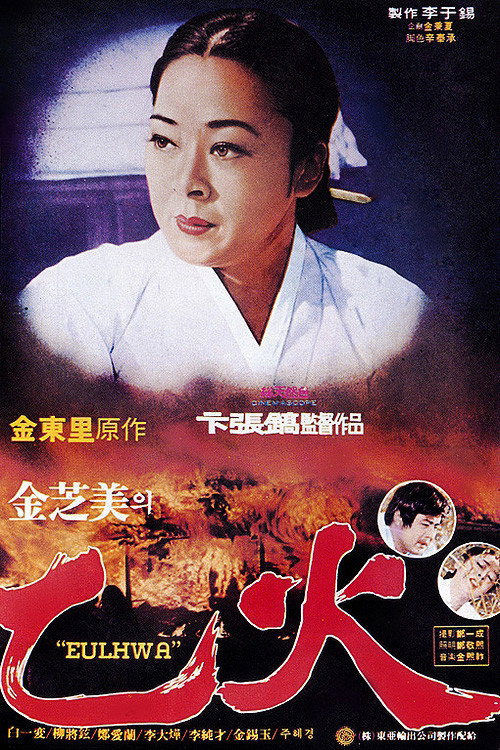
Eulhwa 1979
In the 1979 Korean drama *Eulhwa*, director Byeon Jang-ho crafts a poignant story about tradition clashing with modernity through the lens of shamanism and religion.
Director: Byeon Jang-ho
Cast

Frequently Asked Questions
What is Eulhwa (1979) about?
*Eulhwa* follows a woman who discovers her calling as a shaman, only to face the rise of Christianity in her community. As she deepens her spiritual practice, her son—raised by monks—returns, forcing her to reconcile her beliefs with his growing faith and her changing world.
Who directed Eulhwa?
The film was directed by Byeon Jang-ho, known for his thoughtful explorations of Korean society and cultural themes.
Who stars in Eulhwa?
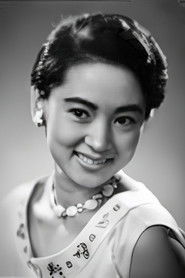
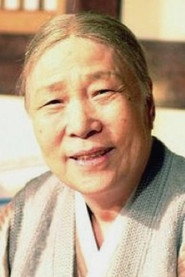
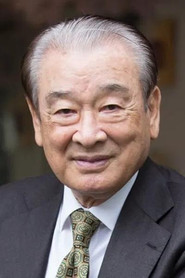
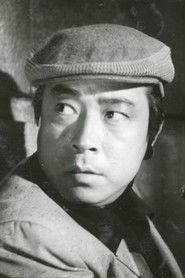
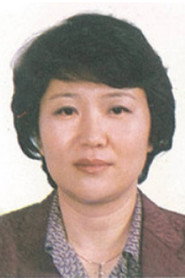
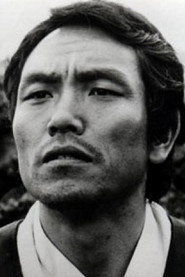
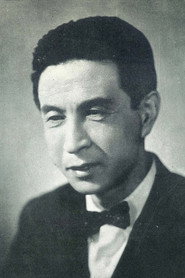
The cast includes Kim Ji-mi in the lead role, alongside Jeong Ae-ran, Lee Soon-jae, and Baek Il-seob in pivotal supporting parts.
Is Eulhwa (1979) worth watching?
As a Korean drama from 1979, *Eulhwa* offers a rare blend of spiritual drama and social commentary. While it may not have modern production polish, its thoughtful themes and strong performances make it a compelling watch for fans of period dramas and cultural narratives.
How long is Eulhwa?
The film has a runtime of 100 minutes.
About Eulhwa (1979) — A Korean Drama on Faith, Tradition, and Transformation
In the 1979 Korean drama *Eulhwa*, director Byeon Jang-ho crafts a poignant story about tradition clashing with modernity through the lens of shamanism and religion. The film follows Eulhwa, a woman who discovers her innate spiritual calling as a shaman, only to face the growing influence of Christianity in her community. After entrusting her son to monastic care, she immerses herself in ancient rituals, only to find her path—and her relationship with her son—challenged by the tides of change. The atmospheric drama unfolds with quiet intensity, exploring themes of faith, identity, and the tension between heritage and progress.
Set against Korea's cultural shift in the late 20th century, *Eulhwa (1979)* weaves a deeply personal narrative where spirituality becomes both salvation and source of conflict. Kim Ji-mi delivers a standout performance as the titular character, while the film's understated direction by Byeon Jang-ho creates a meditative yet emotionally charged experience. With its rich cultural context and compelling portrayal of a woman's journey, this drama offers a reflective look at tradition's enduring power and the struggles of those caught between worlds.