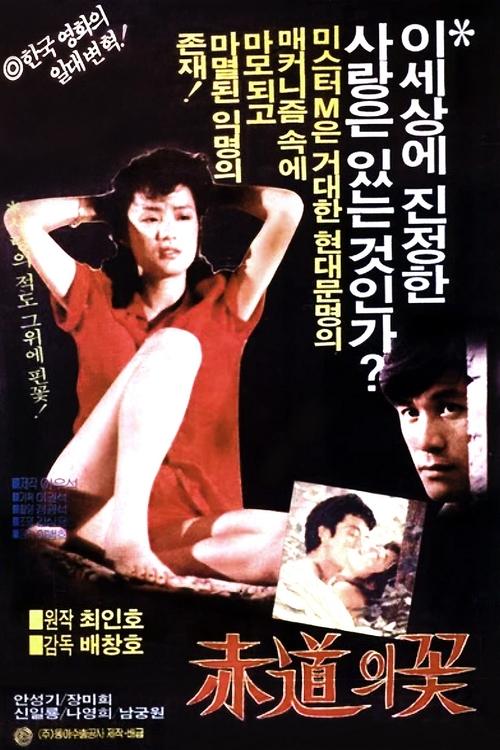
The Flower at the Equator 1983
Set in the bustling heart of 1980s Seoul, *The Flower at the Equator (1983)* weaves a tense urban tale of isolation and suspicion.
Director: Bae Chang-ho
Cast

Frequently Asked Questions
What is The Flower at the Equator (1983) about?
This Korean drama-thriller follows a city dweller who becomes fixated on a mysterious neighbor, drawing parallels to Hitchcock's *Rear Window*. As his obsession grows, the line between curiosity and paranoia blurs, revealing the loneliness at the core of urban life.
Who directed The Flower at the Equator?
The film was directed by Bae Chang-ho, a renowned South Korean filmmaker known for his sensitive and socially conscious storytelling.
Who stars in The Flower at the Equator?
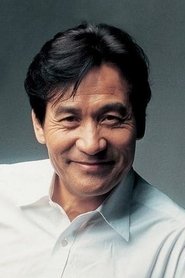
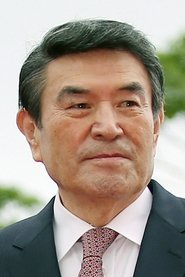
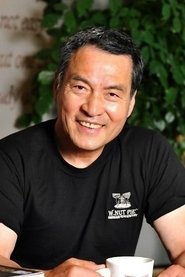
The cast is led by Ahn Sung-ki, joined by Chang Mi-hee, Nam Koong Won, and Shin Il-ryong in this atmospheric thriller.
Is The Flower at the Equator (1983) worth watching?
While it lacks an IMDb rating, *The Flower at the Equator* offers a compelling blend of drama and suspense that stands out in Korean cinema. Its themes of isolation and psychological tension make it a rewarding watch for fans of slow-burn thrillers.
How long is The Flower at the Equator?
The runtime of *The Flower at the Equator* is 105 minutes.
About The Flower at the Equator (1983) — A Korean thriller of urban isolation and suspense
Set in the bustling heart of 1980s Seoul, *The Flower at the Equator (1983)* weaves a tense urban tale of isolation and suspicion. Directed by the visionary Bae Chang-ho, this Korean drama-thriller mirrors the paranoia of Hitchcock's *Rear Window*, trapping its characters in a claustrophobic web of unanswered questions. Ahn Sung-ki leads an outstanding cast as a man caught between the cold anonymity of city life and the unsettling presence of a neighbor whose actions blur the line between innocence and menace.
As the story unfolds, the film explores how fear can distort perception, turning everyday moments into sources of dread. Bae Chang-ho crafts a moody, atmospheric narrative where shadows lengthen and silence speaks volumes. With its sharp focus on human connection—and the lack thereof—*The Flower at the Equator* remains a quietly gripping examination of urban alienation that lingers long after the credits roll.